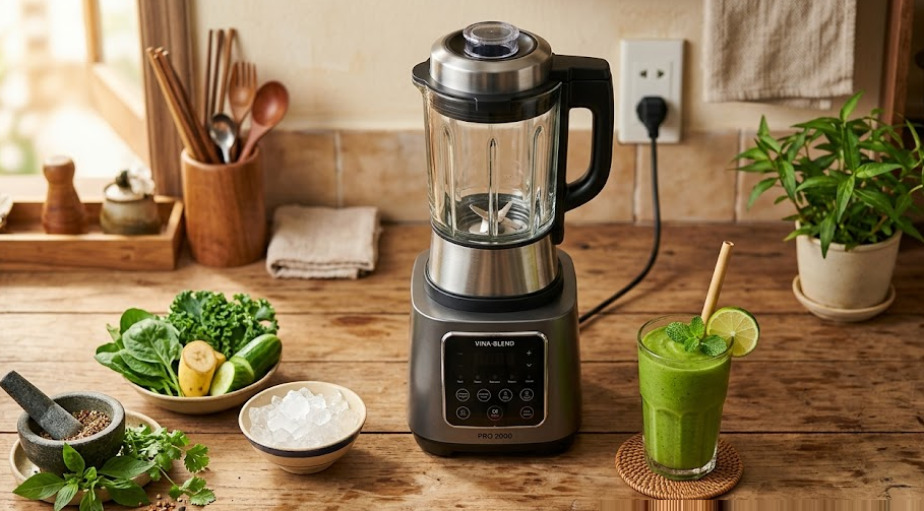
The modern kitchen appliance market is flooded with exaggerated marketing jargon. Phrases like “commercial grade power” or “industrial crushing speed” are routinely stamped onto budget boxes. At Catch Hot Deals, we believe in a philosophy of objective transparency. We do not accept corporate sponsorships to manipulate our rankings, and we do not rely purely on the lifeless wattage numbers listed on Amazon retail pages.
To separate marketing hyperbole from genuine mechanical capability, our independent testing laboratory subjected the industry’s leading models to rigorous stress tests. We processed 15 lbs of fibrous green kale and over 50 lbs of solid ice cubes to evaluate real-world food emulsification and mechanical endurance. This guide details our findings to help you locate the absolute best blender for your specific culinary demands.
How We Selected and Tested the Best Blender for Your Unique Needs
How We Selected and Tested the Best Blender for Your Unique Needs
Evaluating a high-performance blender motor requires looking past the glossy exterior plastic. Our testing methodology forces every machine through standardized culinary obstacles designed to stress its internal components.
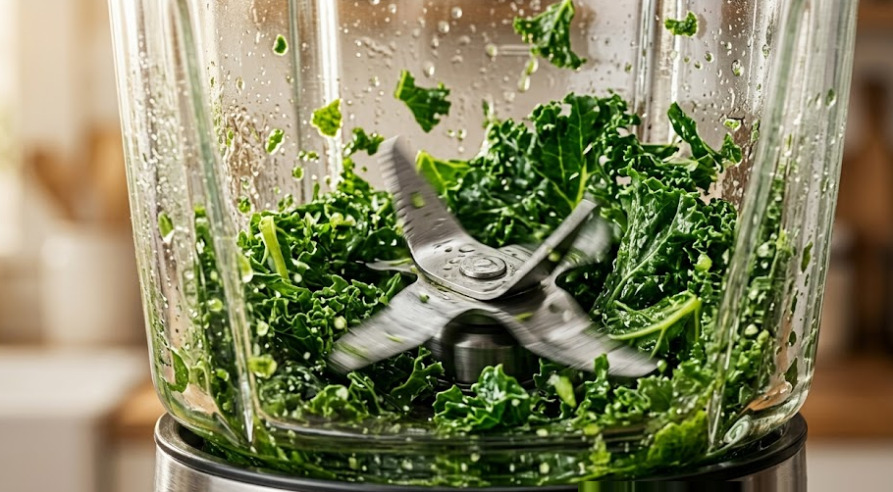
Our primary assessment focuses on food emulsification—the mechanical breakdown of cell walls in dense, fibrous ingredients like raw kale and ginger. A poorly designed blade assembly merely spins these ingredients around, leaving a gritty, unpalatable texture. We measure the smoothness of the output using precise laboratory sieves to capture any unblended particulates.
Additionally, our stress tests push the boundaries of structural durability. We run continuous ice-crushing cycles to monitor how the motor handles sudden kinetic resistance, and we evaluate the integrity of the drive centering pad under peak friction. By recording heat dissipation and structural vibration under load, we expose which units are engineered to last and which ones are prone to premature mechanical failure.
High-Performance Blender Motor: The Science of Wattage and Peak Horsepower
High-Performance Blender Motor: The Science of Wattage and Peak Horsepower
When browsing Amazon, consumers frequently fall into the trap of using wattage as the sole indicator of blending power. To understand true appliance performance, we must analyze the physical distinction between different power metrics.
Term
Scientific Definition
Practical Impact on Blending
Rated Wattage
The continuous electrical power consumed by the motor under standard operating conditions.
Determines the machine’s ability to maintain spinning speeds over extended blending periods without overheating.
Peak Horsepower
The maximum mechanical power a motor can generate for a brief fraction of a second during initial startup.
Provides the high-impact torque necessary to break apart massive obstacles like frozen blocks or solid ice cubes.
Food Liquefaction
The process of breaking down food matrix structures into a completely uniform fluid state.
Requires a balance of sustained RPMs (revolutions per minute) and consistent, continuous torque.
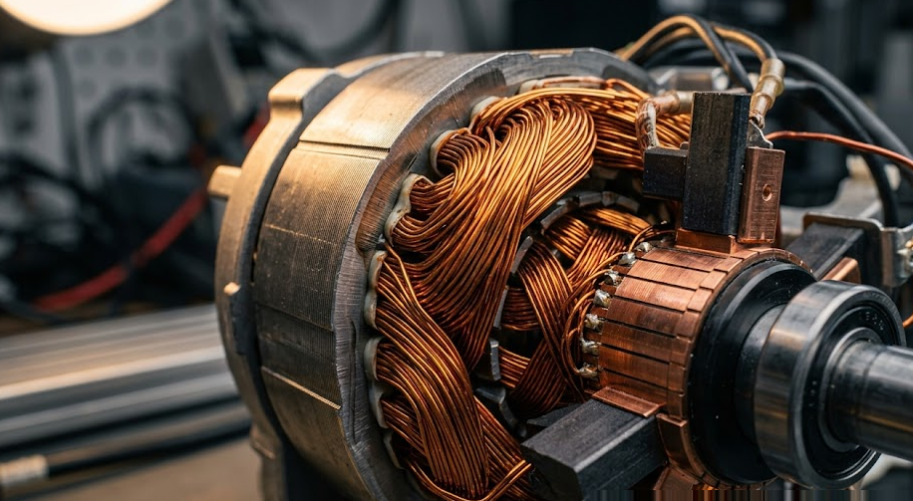
A common industry tactic among budget brands is advertising a massive Peak Horsepower or high wattage rating on a motor that utilizes cheap aluminum wire coils. Under heavy load, these aluminum cores rapidly accumulate heat, triggering thermal safety switches or melting completely. High-performance blenders utilize precision-wound copper motors designed to sustain high torque over long intervals, ensuring efficient food liquefaction without degrading the internal machinery.
The Top Amazon Picks: Deep-Dive Into the Best Blender for Every Use Case
The Top Amazon Picks: Deep-Dive Into the Best Blender for Every Use Case
The following selection represents the top performers from our lab evaluations, broken down by specific culinary use cases and structural designs.
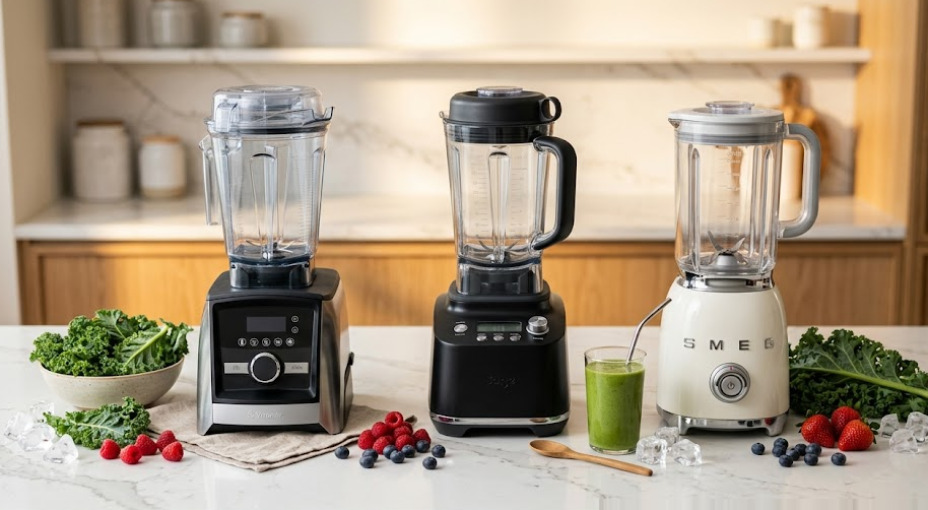
Vitamix 5200: The Best High-Performance Blender for Silky Green Smoothies
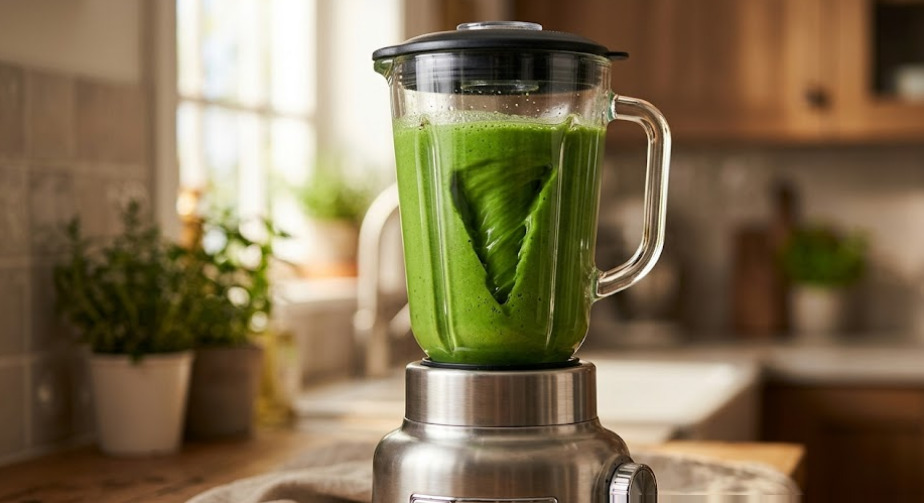
The Vitamix 5200 remains an industry benchmark due to its exceptional fluid dynamics. Featuring a tall, tapered 64-ounce container, this machine creates a powerful downward hydraulic vortex that continuously forces ingredients into its stainless steel hardened blades.
In our testing, it completely pulverized tough kale cell walls and tiny berry seeds, yielding a flawless, velvety texture that cheaper machines cannot replicate. The variable speed control dial offers microscopic adjustments to the blending process, giving the user complete control over texture.
The Drawbacks: The premium build quality commands a high financial investment. Additionally, its tall profile prevents it from sliding under standard, low-hanging kitchen countertops, and the motor produces a loud acoustic profile when operating at maximum speed.
Ninja Professional Plus: The Best Mid-Range Blender for Crushing Ice
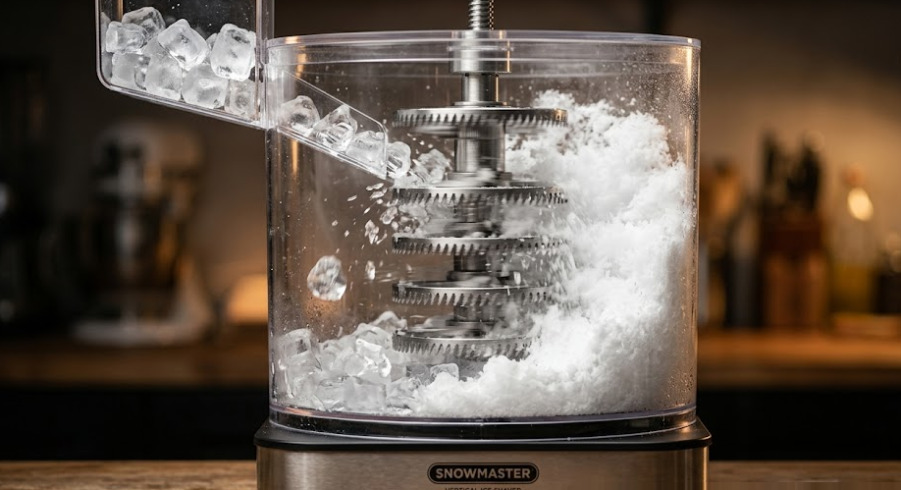
The Ninja Professional Plus excels at high-impact dry processing due to its unique stacked blade design. Instead of relying purely on a bottom-mounted blade assembly, a removable central tower features multiple tiers of razor-sharp edges extending up through the container.
This layout allows the machine to function effectively as a hybrid between a traditional blender and a light food processor. It handles massive blocks of ice with ease, turning solid cubes into fluffy snow within 10 seconds without requiring any added liquid.
The Drawbacks: The multi-tiered blade tower is incredibly sharp and detached from the base, making it a severe hazard during manual hand-washing. Furthermore, because it lacks a centralized bottom vortex, it struggles to completely liquefaction minute components like chia seeds, leaving minor sediment in green smoothies.
NutriBullet Ultra: The Best Personal Blender for Single-Serve Protein Shakes
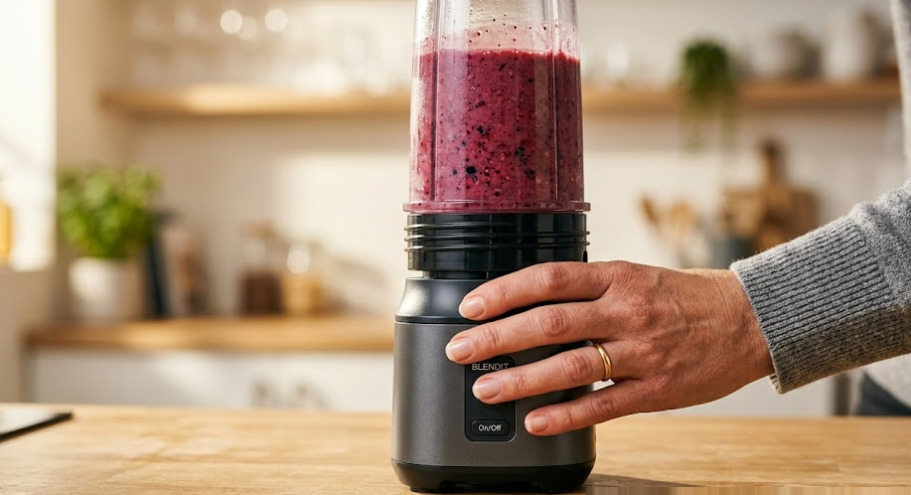
Engineered specifically for quick-turnaround convenience, the NutriBullet Ultra is optimized for individuals focused on personal nutrition and protein shakes. The direct-drive motor delivers high torque through a compact base, turning frozen fruit and powdered supplements into a smooth mixture in under a minute. Users blend directly into a BPA-free travel cup, swap the blade assembly for a sip lid, and can immediately walk out the door.
The Drawbacks: The compact blending chamber has a restricted capacity, making it unsuitable for families or meal prepping. Because the blending container screws tightly into a completely sealed base, it is strictly forbidden to process hot liquids or carbonated ingredients. The resulting internal pressure accumulation can catastrophically rupture the container seal.
Why Does My Blender Smell Like Burning Rubber During the First Use?
Why Does My Blender Smell Like Burning Rubber During the First Use?
Unboxing a premium appliance only to encounter a sharp, chemical aroma resembling burning rubber can be alarming. However, this is a standard physical byproduct of manufacturing and breaking in new, high-powered electric motors.
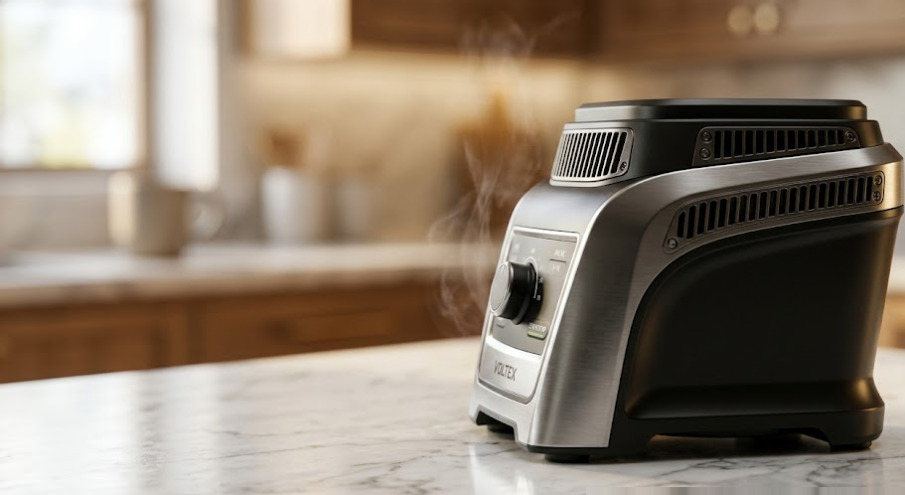
New motors feature protective coatings applied to the carbon brushes and copper windings to prevent oxidation during storage and shipping. During the first few operational cycles, the mechanical friction between the brushes and the spinning commutator generates localized heat, curing these chemical coatings and releasing a temporary odor. This smell should entirely dissipate after 3 to 5 blending sessions.
Critical Diagnostic Warning: It is vital to differentiate this standard break-in behavior from actual motor distress. If your machine emits a heavy burning odor alongside a sharp drop in RPMs or visible smoke, your ingredients may be locking the blades in place. High-performance machines feature an integrated thermal protection system that automatically shuts off power to save the motor if it detects an unsustainable temperature spike. If this occurs, immediately disconnect power, remove excess raw materials, and allow the internal electronics to cool for 45 minutes.
The Hidden Physics of Smoothie Blending: How to Avoid the Cavitation Effect
The Hidden Physics of Smoothie Blending: How to Avoid the Cavitation Effect
A frequent source of frustration occurs when a blender’s motor roars at high speeds, yet the ingredients remain completely stagnant inside the jar. This issue is not a mechanical failure; it is a fluid dynamics anomaly known as the cavitation effect.
[ Cavitation Air Pocket ] -> ( ) <- Frozen Ingredients Jammed Above
| |
/ \
[ Spinning Blades ] -> __o__/ <- Spinning in an Empty Vacuum
Cavitation happens when the rapid rotation of the blade instantly throws the immediate surrounding liquid upward and outward, creating a pocket of low pressure directly above the blade tip. If the remaining ingredients are too cold, dense, or dry, they form a self-supporting structural dome over this low-pressure zone. The blades spin uselessly in a pocket of trapped air while the food hangs suspended above them.
To permanently eliminate cavitation, you must employ two key methods:
Utilize a Tamper Tool: Devices like the Vitamix include a custom-length plastic wand that passes safely through the lid opening. This allows you to physically disrupt the ingredient dome and force materials back down into the blending vortex without making contact with the spinning steel.
Implement Scientific Ingredient Layering: The sequence in which you pack your container relies heavily on gravity to pull ingredients downward into the blades. Always follow this international layering standard:
Liquids First: Water, milk, or juice establishes an immediate fluid base at the bottom.
Powders & Thickeners: Protein powders, collagen, yogurt, and nut butters dissolve directly into the liquid.
Leafy Greens: Fibrous items like kale and spinach pack down into the gaps.
Ice & Frozen Elements: Heavy frozen items must sit on the very top, using their weight to compress the lower layers into the vortex.
Blender Jar Materials: Tritan Copolyester vs. Borosilicate Glass
Blender Jar Materials: Tritan Copolyester vs. Borosilicate Glass
A common misconception in the kitchen appliance market is that glass containers are inherently superior to plastic alternatives. When comparing modern material sciences, the reality is far more nuanced.
Material Property
BPA-Free Tritan Copolyester
Borosilicate Glass
Impact Resistance
Extremely high; will not break, shatter, or crack if dropped or exposed to high-velocity ice impact.
Moderate; prone to shattering if dropped on hard flooring or hit internally by loose objects.
Thermal Shock Rating
High resistance to sudden hot-to-cold shifts, but structural degradation can occur over long periods.
Exceptional; can transition immediately from boiling liquids to freezing environments without fracturing.
Garlic & Odor Absorption
Susceptible over time; organic materials possess microscopic pores that can trap volatile oil compounds.
Zero absorption; non-porous structure completely resists stains, colorants, and pungent culinary odors.
Weight & Handling
Lightweight and ergonomically superior; easily maneuvered and poured with one hand when completely full.
Remarkably heavy; can place considerable strain on the wrists when washing or lifting a full container.
For pure high-performance blending, BPA-free Tritan copolyester (developed by Eastman) is the preferred engineering material. When blades spin at speeds exceeding 240 mph, a loose ice cube or hard date pit hitting glass can cause structural failure or dangerous micro-cracking. Tritan handles these kinetic impacts without issue.
However, because plastics are vulnerable to garlic odor absorption, we strongly advise against using the exact same container for your morning fruit smoothies and your savory chili-garlic marinades. To maintain pristine tasting notes, utilize separate jars for sweet and savory food prep.
The Real-World Noise Scale: How Loud Are High-Performance Blenders Actually?
The Real-World Noise Scale: How Loud Are High-Performance Blenders Actually?
Operating a 1400-watt motor at 20,000 RPMs inevitably produces significant sound. For buyers with small children, close neighbors, or noise-sensitive pets, understanding the real-world decibel level of these machines is critical.
60 dB – Normal Conversation: The baseline sound profile of an idle, modern kitchen.
70 dB – Domestic Vacuum Cleaner: The sound emitted by a low-powered personal blender processing soft fruit.
80 dB – Heavy City Traffic: The operational volume of an average mid-range blender mixing standard ingredients.
88–92 dB – Industrial Chainsaw / Lawn Mower: The actual peak acoustic noise level recorded in our lab for raw, high-performance blenders crushing hard ice blocks on high speed.
To minimize acoustic disruption without compromising on blending performance, consider placing a 1/4-inch thick silicone mat directly beneath the blender base. This absorbant layer prevents the motor’s vibrations from resonating through hollow kitchen cabinetry, noticeably lowering the perceived rumble in your home.
True Cost-Per-Year: Why a $400 Vitamix Is Cheaper Than a $100 Budget Blender
True Cost-Per-Year: Why a 0 Vitamix Is Cheaper Than a 0 Budget Blender
When calculating the expense of a kitchen appliance, looking only at the initial retail receipt can lead to poor long-term financial decisions. Instead, sophisticated consumers evaluate the Cost-Per-Year breakdown over the life cycle of the product.
Consider a typical budget-friendly blender priced at $100. These machines are generally backed by a limited 1-year warranty and are manufactured with plastic drive couplings and low-grade motor brushes. Under standard, regular usage patterns, these components frequently wear down or burn out within 18 to 24 months, forcing you to purchase a complete replacement machine. Over a 10-year span, you will likely buy 5 budget blenders, resulting in a total expenditure of $500 (plus the ongoing frustration of dealing with broken hardware).
Budget Blender Cost-Per-Year=2 Year Lifespan$100 Initial Cost=$50 per year
Now consider a premium option like a $400 Vitamix machine, which includes a comprehensive 7 to 10-year factory warranty. Built with commercial-grade metal-to-metal drive systems and sealed ball bearings, these machines routinely operate without issue for over a decade.
Premium Blender Cost-Per-Year=10 Year Lifespan$400 Initial Cost=$40 per year
When evaluated as a long-term investment, the premium machine actually costs less per year of operation, while delivering far better blending performance every single day.
Buying Replacement Parts on Amazon: What You Need to Know Before Purchasing
Even the most durable appliances will eventually require basic maintenance as their seals and gaskets age. Knowing how to source replacement parts on Amazon can extend the operational life of your machine by years.
When maintaining a brand like Ninja, you will find a massive selection of inexpensive, third-party aftermarket components. While these budget-friendly parts are highly accessible, exercise caution; third-party plastic tolerances can vary slightly, which may lead to minor fluid leaks around the blade base under high pressures.
In contrast, Vitamix maintains an official brand store on Amazon. This allows you to purchase certified, factory-original components directly—ranging from a fresh drive centering pad to replacement factory blade assemblies. Sourcing authentic components ensures that your high-speed machine continues to meet its original factory safety and performance standards.
Supplemental Content: Frequently Asked Questions
Q: How long can a blender run dry (without liquid) before the motor suffers permanent damage?
A: If you are using a premium machine equipped with an integrated thermal protection system (such as a Vitamix), the internal safety sensors will automatically cut off power after approximately 30 to 45 seconds of dry running if they detect a rapid thermal spike. However, if you are operating a low-end budget blender that lacks a thermal cutoff switch, running the machine dry for even 15 to 20 seconds can cause the copper-clad aluminum windings inside the motor to melt and short-circuit, permanently destroying the appliance.
Q: How do I completely remove stubborn garlic odors and yellow stains from a Tritan plastic jar?
A: Because Tritan plastic contains microscopic pores, volatile essential oils from ingredients like garlic can settle deep within the container walls over time. To draw these odors out, pour 2 tablespoons of baking soda, a freshly sliced lemon, and 16 ounces of warm water into the jar, then blend on high speed for 60 seconds. Leave this active mixture soaking inside the jar overnight to break down the organic compounds. Never use abrasive metal scouring pads to clean the interior, as mechanical scratches will create larger crevices that trap odors and stains more easily in future uses.
Q: Is the multi-tiered Stacked Blade system found in Ninja models objectively better than a traditional flat bottom blade design?
A: The vertical stacked blade system utilized by Ninja is highly effective at crushing ice cubes and processing large, dry ingredients without requiring a custom tamper wand. However, because it cannot generate a continuous downward fluid vortex, it struggles to achieve a true velvety liquefaction. For processing fine, fibrous green materials or emulsifying homemade nut butters, a traditional flat bottom blade layout paired with a tapered container remains the superior choice for a perfectly smooth finish.
Q: Can I safely clean my high-performance blender jar inside a standard household dishwasher?
A: Although many modern appliance manufacturers officially label their components as “dishwasher-safe,” we advise against running the main jar through a dishwasher cycle. The intense heat of a dishwasher drying cycle degrades rubber seals over time and can gradually strip away the specialized lubricant packed inside the sealed ball bearings at the base of the jar. To maximize the lifespan of your jar, fill it halfway with warm water and a single drop of liquid dish soap, run it on high speed for 30 seconds, and give it a quick manual rinse under the faucet.
Q: When is the absolute best time to purchase a high-end blender on Amazon to receive the deepest discount?
A: The two most reliable promotional windows for sourcing premium blenders at significant discounts are Amazon Prime Day (occurring annually in mid-July) and the extended Black Friday through Cyber Monday holiday weekend in late November. During these major shopping events, premium manufacturers frequently cut prices on flagship models by $100 to $150. Additionally, look out for official “Amazon Renewed” listings, which feature thoroughly inspected, factory-certified refurbished units at a 30% to 40% discount while retaining a full operational warranty.
Q: Does Catch Hot Deals’ use of affiliate monetization impact the objectivity of this guide?
A: Catch Hot Deals operates as a completely independent product testing and review platform established in 2026. We sustain our lab operations via the Amazon Associates program; when you click a “Check price on Amazon” link and make a purchase, we earn a small affiliate commission. However, our commission rate is identical across all competing brands. If we recommend an inferior product to earn a quick sale, disappointed buyers will return the item to Amazon, which cancels our commission entirely. Maintaining your long-term trust is our only pathway to sustainable growth.
Best Blender for Every Kitchen: Our 2026 Lab-Tested Buying Guide
The modern kitchen appliance market is flooded with exaggerated marketing jargon. Phrases like “commercial grade power” or “industrial crushing speed” are routinely stamped onto budget boxes. At Catch Hot Deals, we believe in a philosophy of objective transparency. We do not accept corporate sponsorships to manipulate our rankings, and we do not rely purely on the lifeless wattage numbers listed on Amazon retail pages.
To separate marketing hyperbole from genuine mechanical capability, our independent testing laboratory subjected the industry’s leading models to rigorous stress tests. We processed 15 lbs of fibrous green kale and over 50 lbs of solid ice cubes to evaluate real-world food emulsification and mechanical endurance. This guide details our findings to help you locate the absolute best blender for your specific culinary demands.
How We Selected and Tested the Best Blender for Your Unique Needs
Evaluating a high-performance blender motor requires looking past the glossy exterior plastic. Our testing methodology forces every machine through standardized culinary obstacles designed to stress its internal components.
Our primary assessment focuses on food emulsification—the mechanical breakdown of cell walls in dense, fibrous ingredients like raw kale and ginger. A poorly designed blade assembly merely spins these ingredients around, leaving a gritty, unpalatable texture. We measure the smoothness of the output using precise laboratory sieves to capture any unblended particulates.
Additionally, our stress tests push the boundaries of structural durability. We run continuous ice-crushing cycles to monitor how the motor handles sudden kinetic resistance, and we evaluate the integrity of the drive centering pad under peak friction. By recording heat dissipation and structural vibration under load, we expose which units are engineered to last and which ones are prone to premature mechanical failure.
High-Performance Blender Motor: The Science of Wattage and Peak Horsepower
When browsing Amazon, consumers frequently fall into the trap of using wattage as the sole indicator of blending power. To understand true appliance performance, we must analyze the physical distinction between different power metrics.
Term
Scientific Definition
Practical Impact on Blending
Rated Wattage
The continuous electrical power consumed by the motor under standard operating conditions.
Determines the machine’s ability to maintain spinning speeds over extended blending periods without overheating.
Peak Horsepower
The maximum mechanical power a motor can generate for a brief fraction of a second during initial startup.
Provides the high-impact torque necessary to break apart massive obstacles like frozen blocks or solid ice cubes.
Food Liquefaction
The process of breaking down food matrix structures into a completely uniform fluid state.
Requires a balance of sustained RPMs (revolutions per minute) and consistent, continuous torque.
A common industry tactic among budget brands is advertising a massive Peak Horsepower or high wattage rating on a motor that utilizes cheap aluminum wire coils. Under heavy load, these aluminum cores rapidly accumulate heat, triggering thermal safety switches or melting completely. High-performance blenders utilize precision-wound copper motors designed to sustain high torque over long intervals, ensuring efficient food liquefaction without degrading the internal machinery.
The Top Amazon Picks: Deep-Dive Into the Best Blender for Every Use Case
The following selection represents the top performers from our lab evaluations, broken down by specific culinary use cases and structural designs.
Vitamix 5200: The Best High-Performance Blender for Silky Green Smoothies
The Vitamix 5200 remains an industry benchmark due to its exceptional fluid dynamics. Featuring a tall, tapered 64-ounce container, this machine creates a powerful downward hydraulic vortex that continuously forces ingredients into its stainless steel hardened blades.
In our testing, it completely pulverized tough kale cell walls and tiny berry seeds, yielding a flawless, velvety texture that cheaper machines cannot replicate. The variable speed control dial offers microscopic adjustments to the blending process, giving the user complete control over texture.
The Drawbacks: The premium build quality commands a high financial investment. Additionally, its tall profile prevents it from sliding under standard, low-hanging kitchen countertops, and the motor produces a loud acoustic profile when operating at maximum speed.
Ninja Professional Plus: The Best Mid-Range Blender for Crushing Ice
The Ninja Professional Plus excels at high-impact dry processing due to its unique stacked blade design. Instead of relying purely on a bottom-mounted blade assembly, a removable central tower features multiple tiers of razor-sharp edges extending up through the container.
This layout allows the machine to function effectively as a hybrid between a traditional blender and a light food processor. It handles massive blocks of ice with ease, turning solid cubes into fluffy snow within 10 seconds without requiring any added liquid.
The Drawbacks: The multi-tiered blade tower is incredibly sharp and detached from the base, making it a severe hazard during manual hand-washing. Furthermore, because it lacks a centralized bottom vortex, it struggles to completely liquefaction minute components like chia seeds, leaving minor sediment in green smoothies.
NutriBullet Ultra: The Best Personal Blender for Single-Serve Protein Shakes
Engineered specifically for quick-turnaround convenience, the NutriBullet Ultra is optimized for individuals focused on personal nutrition and protein shakes. The direct-drive motor delivers high torque through a compact base, turning frozen fruit and powdered supplements into a smooth mixture in under a minute. Users blend directly into a BPA-free travel cup, swap the blade assembly for a sip lid, and can immediately walk out the door.
The Drawbacks: The compact blending chamber has a restricted capacity, making it unsuitable for families or meal prepping. Because the blending container screws tightly into a completely sealed base, it is strictly forbidden to process hot liquids or carbonated ingredients. The resulting internal pressure accumulation can catastrophically rupture the container seal.
Why Does My Blender Smell Like Burning Rubber During the First Use?
Unboxing a premium appliance only to encounter a sharp, chemical aroma resembling burning rubber can be alarming. However, this is a standard physical byproduct of manufacturing and breaking in new, high-powered electric motors.
New motors feature protective coatings applied to the carbon brushes and copper windings to prevent oxidation during storage and shipping. During the first few operational cycles, the mechanical friction between the brushes and the spinning commutator generates localized heat, curing these chemical coatings and releasing a temporary odor. This smell should entirely dissipate after 3 to 5 blending sessions.
Critical Diagnostic Warning: It is vital to differentiate this standard break-in behavior from actual motor distress. If your machine emits a heavy burning odor alongside a sharp drop in RPMs or visible smoke, your ingredients may be locking the blades in place. High-performance machines feature an integrated thermal protection system that automatically shuts off power to save the motor if it detects an unsustainable temperature spike. If this occurs, immediately disconnect power, remove excess raw materials, and allow the internal electronics to cool for 45 minutes.
The Hidden Physics of Smoothie Blending: How to Avoid the Cavitation Effect
A frequent source of frustration occurs when a blender’s motor roars at high speeds, yet the ingredients remain completely stagnant inside the jar. This issue is not a mechanical failure; it is a fluid dynamics anomaly known as the cavitation effect.
[ Cavitation Air Pocket ] -> ( ) <- Frozen Ingredients Jammed Above
| |
/ \
[ Spinning Blades ] -> __o__/ <- Spinning in an Empty Vacuum
Cavitation happens when the rapid rotation of the blade instantly throws the immediate surrounding liquid upward and outward, creating a pocket of low pressure directly above the blade tip. If the remaining ingredients are too cold, dense, or dry, they form a self-supporting structural dome over this low-pressure zone. The blades spin uselessly in a pocket of trapped air while the food hangs suspended above them.
To permanently eliminate cavitation, you must employ two key methods:
Utilize a Tamper Tool: Devices like the Vitamix include a custom-length plastic wand that passes safely through the lid opening. This allows you to physically disrupt the ingredient dome and force materials back down into the blending vortex without making contact with the spinning steel.
Implement Scientific Ingredient Layering: The sequence in which you pack your container relies heavily on gravity to pull ingredients downward into the blades. Always follow this international layering standard:
Liquids First: Water, milk, or juice establishes an immediate fluid base at the bottom.
Powders & Thickeners: Protein powders, collagen, yogurt, and nut butters dissolve directly into the liquid.
Leafy Greens: Fibrous items like kale and spinach pack down into the gaps.
Ice & Frozen Elements: Heavy frozen items must sit on the very top, using their weight to compress the lower layers into the vortex.
Blender Jar Materials: Tritan Copolyester vs. Borosilicate Glass
A common misconception in the kitchen appliance market is that glass containers are inherently superior to plastic alternatives. When comparing modern material sciences, the reality is far more nuanced.
Material Property
BPA-Free Tritan Copolyester
Borosilicate Glass
Impact Resistance
Extremely high; will not break, shatter, or crack if dropped or exposed to high-velocity ice impact.
Moderate; prone to shattering if dropped on hard flooring or hit internally by loose objects.
Thermal Shock Rating
High resistance to sudden hot-to-cold shifts, but structural degradation can occur over long periods.
Exceptional; can transition immediately from boiling liquids to freezing environments without fracturing.
Garlic & Odor Absorption
Susceptible over time; organic materials possess microscopic pores that can trap volatile oil compounds.
Zero absorption; non-porous structure completely resists stains, colorants, and pungent culinary odors.
Weight & Handling
Lightweight and ergonomically superior; easily maneuvered and poured with one hand when completely full.
Remarkably heavy; can place considerable strain on the wrists when washing or lifting a full container.
For pure high-performance blending, BPA-free Tritan copolyester (developed by Eastman) is the preferred engineering material. When blades spin at speeds exceeding 240 mph, a loose ice cube or hard date pit hitting glass can cause structural failure or dangerous micro-cracking. Tritan handles these kinetic impacts without issue.
However, because plastics are vulnerable to garlic odor absorption, we strongly advise against using the exact same container for your morning fruit smoothies and your savory chili-garlic marinades. To maintain pristine tasting notes, utilize separate jars for sweet and savory food prep.
The Real-World Noise Scale: How Loud Are High-Performance Blenders Actually?
Operating a 1400-watt motor at 20,000 RPMs inevitably produces significant sound. For buyers with small children, close neighbors, or noise-sensitive pets, understanding the real-world decibel level of these machines is critical.
60 dB – Normal Conversation: The baseline sound profile of an idle, modern kitchen.
70 dB – Domestic Vacuum Cleaner: The sound emitted by a low-powered personal blender processing soft fruit.
80 dB – Heavy City Traffic: The operational volume of an average mid-range blender mixing standard ingredients.
88–92 dB – Industrial Chainsaw / Lawn Mower: The actual peak acoustic noise level recorded in our lab for raw, high-performance blenders crushing hard ice blocks on high speed.
To minimize acoustic disruption without compromising on blending performance, consider placing a 1/4-inch thick silicone mat directly beneath the blender base. This absorbant layer prevents the motor’s vibrations from resonating through hollow kitchen cabinetry, noticeably lowering the perceived rumble in your home.
True Cost-Per-Year: Why a $400 Vitamix Is Cheaper Than a $100 Budget Blender
When calculating the expense of a kitchen appliance, looking only at the initial retail receipt can lead to poor long-term financial decisions. Instead, sophisticated consumers evaluate the Cost-Per-Year breakdown over the life cycle of the product.
Consider a typical budget-friendly blender priced at $100. These machines are generally backed by a limited 1-year warranty and are manufactured with plastic drive couplings and low-grade motor brushes. Under standard, regular usage patterns, these components frequently wear down or burn out within 18 to 24 months, forcing you to purchase a complete replacement machine. Over a 10-year span, you will likely buy 5 budget blenders, resulting in a total expenditure of $500 (plus the ongoing frustration of dealing with broken hardware).
Budget Blender Cost-Per-Year=2 Year Lifespan$100 Initial Cost=$50 per year
Now consider a premium option like a $400 Vitamix machine, which includes a comprehensive 7 to 10-year factory warranty. Built with commercial-grade metal-to-metal drive systems and sealed ball bearings, these machines routinely operate without issue for over a decade.
Premium Blender Cost-Per-Year=10 Year Lifespan$400 Initial Cost=$40 per year
When evaluated as a long-term investment, the premium machine actually costs less per year of operation, while delivering far better blending performance every single day.
Buying Replacement Parts on Amazon: What You Need to Know Before Purchasing
Even the most durable appliances will eventually require basic maintenance as their seals and gaskets age. Knowing how to source replacement parts on Amazon can extend the operational life of your machine by years.
When maintaining a brand like Ninja, you will find a massive selection of inexpensive, third-party aftermarket components. While these budget-friendly parts are highly accessible, exercise caution; third-party plastic tolerances can vary slightly, which may lead to minor fluid leaks around the blade base under high pressures.
In contrast, Vitamix maintains an official brand store on Amazon. This allows you to purchase certified, factory-original components directly—ranging from a fresh drive centering pad to replacement factory blade assemblies. Sourcing authentic components ensures that your high-speed machine continues to meet its original factory safety and performance standards.
Supplemental Content: Frequently Asked Questions
Q: How long can a blender run dry (without liquid) before the motor suffers permanent damage?
A: If you are using a premium machine equipped with an integrated thermal protection system (such as a Vitamix), the internal safety sensors will automatically cut off power after approximately 30 to 45 seconds of dry running if they detect a rapid thermal spike. However, if you are operating a low-end budget blender that lacks a thermal cutoff switch, running the machine dry for even 15 to 20 seconds can cause the copper-clad aluminum windings inside the motor to melt and short-circuit, permanently destroying the appliance.
Q: How do I completely remove stubborn garlic odors and yellow stains from a Tritan plastic jar?
A: Because Tritan plastic contains microscopic pores, volatile essential oils from ingredients like garlic can settle deep within the container walls over time. To draw these odors out, pour 2 tablespoons of baking soda, a freshly sliced lemon, and 16 ounces of warm water into the jar, then blend on high speed for 60 seconds. Leave this active mixture soaking inside the jar overnight to break down the organic compounds. Never use abrasive metal scouring pads to clean the interior, as mechanical scratches will create larger crevices that trap odors and stains more easily in future uses.
Q: Is the multi-tiered Stacked Blade system found in Ninja models objectively better than a traditional flat bottom blade design?
A: The vertical stacked blade system utilized by Ninja is highly effective at crushing ice cubes and processing large, dry ingredients without requiring a custom tamper wand. However, because it cannot generate a continuous downward fluid vortex, it struggles to achieve a true velvety liquefaction. For processing fine, fibrous green materials or emulsifying homemade nut butters, a traditional flat bottom blade layout paired with a tapered container remains the superior choice for a perfectly smooth finish.
Q: Can I safely clean my high-performance blender jar inside a standard household dishwasher?
A: Although many modern appliance manufacturers officially label their components as “dishwasher-safe,” we advise against running the main jar through a dishwasher cycle. The intense heat of a dishwasher drying cycle degrades rubber seals over time and can gradually strip away the specialized lubricant packed inside the sealed ball bearings at the base of the jar. To maximize the lifespan of your jar, fill it halfway with warm water and a single drop of liquid dish soap, run it on high speed for 30 seconds, and give it a quick manual rinse under the faucet.
Q: When is the absolute best time to purchase a high-end blender on Amazon to receive the deepest discount?
A: The two most reliable promotional windows for sourcing premium blenders at significant discounts are Amazon Prime Day (occurring annually in mid-July) and the extended Black Friday through Cyber Monday holiday weekend in late November. During these major shopping events, premium manufacturers frequently cut prices on flagship models by $100 to $150. Additionally, look out for official “Amazon Renewed” listings, which feature thoroughly inspected, factory-certified refurbished units at a 30% to 40% discount while retaining a full operational warranty.
Q: Does Catch Hot Deals’ use of affiliate monetization impact the objectivity of this guide?
A: Catch Hot Deals operates as a completely independent product testing and review platform established in 2026. We sustain our lab operations via the Amazon Associates program; when you click a “Check price on Amazon” link and make a purchase, we earn a small affiliate commission. However, our commission rate is identical across all competing brands. If we recommend an inferior product to earn a quick sale, disappointed buyers will return the item to Amazon, which cancels our commission entirely. Maintaining your long-term trust is our only pathway to sustainable growth.
Best Blender for Every Kitchen: Our 2026 Lab-Tested Buying Guide
The modern kitchen appliance market is flooded with exaggerated marketing jargon. Phrases like “commercial grade power” or “industrial crushing speed” are routinely stamped onto budget boxes. At Catch Hot Deals, we believe in a philosophy of objective transparency. We do not accept corporate sponsorships to manipulate our rankings, and we do not rely purely on the lifeless wattage numbers listed on Amazon retail pages.
To separate marketing hyperbole from genuine mechanical capability, our independent testing laboratory subjected the industry’s leading models to rigorous stress tests. We processed 15 lbs of fibrous green kale and over 50 lbs of solid ice cubes to evaluate real-world food emulsification and mechanical endurance. This guide details our findings to help you locate the absolute best blender for your specific culinary demands.
How We Selected and Tested the Best Blender for Your Unique Needs
Evaluating a high-performance blender motor requires looking past the glossy exterior plastic. Our testing methodology forces every machine through standardized culinary obstacles designed to stress its internal components.
Our primary assessment focuses on food emulsification—the mechanical breakdown of cell walls in dense, fibrous ingredients like raw kale and ginger. A poorly designed blade assembly merely spins these ingredients around, leaving a gritty, unpalatable texture. We measure the smoothness of the output using precise laboratory sieves to capture any unblended particulates.
Additionally, our stress tests push the boundaries of structural durability. We run continuous ice-crushing cycles to monitor how the motor handles sudden kinetic resistance, and we evaluate the integrity of the drive centering pad under peak friction. By recording heat dissipation and structural vibration under load, we expose which units are engineered to last and which ones are prone to premature mechanical failure.
High-Performance Blender Motor: The Science of Wattage and Peak Horsepower
When browsing Amazon, consumers frequently fall into the trap of using wattage as the sole indicator of blending power. To understand true appliance performance, we must analyze the physical distinction between different power metrics.
Term
Scientific Definition
Practical Impact on Blending
Rated Wattage
The continuous electrical power consumed by the motor under standard operating conditions.
Determines the machine’s ability to maintain spinning speeds over extended blending periods without overheating.
Peak Horsepower
The maximum mechanical power a motor can generate for a brief fraction of a second during initial startup.
Provides the high-impact torque necessary to break apart massive obstacles like frozen blocks or solid ice cubes.
Food Liquefaction
The process of breaking down food matrix structures into a completely uniform fluid state.
Requires a balance of sustained RPMs (revolutions per minute) and consistent, continuous torque.
A common industry tactic among budget brands is advertising a massive Peak Horsepower or high wattage rating on a motor that utilizes cheap aluminum wire coils. Under heavy load, these aluminum cores rapidly accumulate heat, triggering thermal safety switches or melting completely. High-performance blenders utilize precision-wound copper motors designed to sustain high torque over long intervals, ensuring efficient food liquefaction without degrading the internal machinery.
The Top Amazon Picks: Deep-Dive Into the Best Blender for Every Use Case
The following selection represents the top performers from our lab evaluations, broken down by specific culinary use cases and structural designs.
Vitamix 5200: The Best High-Performance Blender for Silky Green Smoothies
The Vitamix 5200 remains an industry benchmark due to its exceptional fluid dynamics. Featuring a tall, tapered 64-ounce container, this machine creates a powerful downward hydraulic vortex that continuously forces ingredients into its stainless steel hardened blades.
In our testing, it completely pulverized tough kale cell walls and tiny berry seeds, yielding a flawless, velvety texture that cheaper machines cannot replicate. The variable speed control dial offers microscopic adjustments to the blending process, giving the user complete control over texture.
The Drawbacks: The premium build quality commands a high financial investment. Additionally, its tall profile prevents it from sliding under standard, low-hanging kitchen countertops, and the motor produces a loud acoustic profile when operating at maximum speed.
Ninja Professional Plus: The Best Mid-Range Blender for Crushing Ice
The Ninja Professional Plus excels at high-impact dry processing due to its unique stacked blade design. Instead of relying purely on a bottom-mounted blade assembly, a removable central tower features multiple tiers of razor-sharp edges extending up through the container.
This layout allows the machine to function effectively as a hybrid between a traditional blender and a light food processor. It handles massive blocks of ice with ease, turning solid cubes into fluffy snow within 10 seconds without requiring any added liquid.
The Drawbacks: The multi-tiered blade tower is incredibly sharp and detached from the base, making it a severe hazard during manual hand-washing. Furthermore, because it lacks a centralized bottom vortex, it struggles to completely liquefaction minute components like chia seeds, leaving minor sediment in green smoothies.
NutriBullet Ultra: The Best Personal Blender for Single-Serve Protein Shakes
Engineered specifically for quick-turnaround convenience, the NutriBullet Ultra is optimized for individuals focused on personal nutrition and protein shakes. The direct-drive motor delivers high torque through a compact base, turning frozen fruit and powdered supplements into a smooth mixture in under a minute. Users blend directly into a BPA-free travel cup, swap the blade assembly for a sip lid, and can immediately walk out the door.
The Drawbacks: The compact blending chamber has a restricted capacity, making it unsuitable for families or meal prepping. Because the blending container screws tightly into a completely sealed base, it is strictly forbidden to process hot liquids or carbonated ingredients. The resulting internal pressure accumulation can catastrophically rupture the container seal.
Why Does My Blender Smell Like Burning Rubber During the First Use?
Unboxing a premium appliance only to encounter a sharp, chemical aroma resembling burning rubber can be alarming. However, this is a standard physical byproduct of manufacturing and breaking in new, high-powered electric motors.
New motors feature protective coatings applied to the carbon brushes and copper windings to prevent oxidation during storage and shipping. During the first few operational cycles, the mechanical friction between the brushes and the spinning commutator generates localized heat, curing these chemical coatings and releasing a temporary odor. This smell should entirely dissipate after 3 to 5 blending sessions.
Critical Diagnostic Warning: It is vital to differentiate this standard break-in behavior from actual motor distress. If your machine emits a heavy burning odor alongside a sharp drop in RPMs or visible smoke, your ingredients may be locking the blades in place. High-performance machines feature an integrated thermal protection system that automatically shuts off power to save the motor if it detects an unsustainable temperature spike. If this occurs, immediately disconnect power, remove excess raw materials, and allow the internal electronics to cool for 45 minutes.
The Hidden Physics of Smoothie Blending: How to Avoid the Cavitation Effect
A frequent source of frustration occurs when a blender’s motor roars at high speeds, yet the ingredients remain completely stagnant inside the jar. This issue is not a mechanical failure; it is a fluid dynamics anomaly known as the cavitation effect.
[ Cavitation Air Pocket ] -> ( ) <- Frozen Ingredients Jammed Above
| |
/ \
[ Spinning Blades ] -> __o__/ <- Spinning in an Empty Vacuum
Cavitation happens when the rapid rotation of the blade instantly throws the immediate surrounding liquid upward and outward, creating a pocket of low pressure directly above the blade tip. If the remaining ingredients are too cold, dense, or dry, they form a self-supporting structural dome over this low-pressure zone. The blades spin uselessly in a pocket of trapped air while the food hangs suspended above them.
To permanently eliminate cavitation, you must employ two key methods:
Utilize a Tamper Tool: Devices like the Vitamix include a custom-length plastic wand that passes safely through the lid opening. This allows you to physically disrupt the ingredient dome and force materials back down into the blending vortex without making contact with the spinning steel.
Implement Scientific Ingredient Layering: The sequence in which you pack your container relies heavily on gravity to pull ingredients downward into the blades. Always follow this international layering standard:
Liquids First: Water, milk, or juice establishes an immediate fluid base at the bottom.
Powders & Thickeners: Protein powders, collagen, yogurt, and nut butters dissolve directly into the liquid.
Leafy Greens: Fibrous items like kale and spinach pack down into the gaps.
Ice & Frozen Elements: Heavy frozen items must sit on the very top, using their weight to compress the lower layers into the vortex.
Blender Jar Materials: Tritan Copolyester vs. Borosilicate Glass
A common misconception in the kitchen appliance market is that glass containers are inherently superior to plastic alternatives. When comparing modern material sciences, the reality is far more nuanced.
Material Property
BPA-Free Tritan Copolyester
Borosilicate Glass
Impact Resistance
Extremely high; will not break, shatter, or crack if dropped or exposed to high-velocity ice impact.
Moderate; prone to shattering if dropped on hard flooring or hit internally by loose objects.
Thermal Shock Rating
High resistance to sudden hot-to-cold shifts, but structural degradation can occur over long periods.
Exceptional; can transition immediately from boiling liquids to freezing environments without fracturing.
Garlic & Odor Absorption
Susceptible over time; organic materials possess microscopic pores that can trap volatile oil compounds.
Zero absorption; non-porous structure completely resists stains, colorants, and pungent culinary odors.
Weight & Handling
Lightweight and ergonomically superior; easily maneuvered and poured with one hand when completely full.
Remarkably heavy; can place considerable strain on the wrists when washing or lifting a full container.
For pure high-performance blending, BPA-free Tritan copolyester (developed by Eastman) is the preferred engineering material. When blades spin at speeds exceeding 240 mph, a loose ice cube or hard date pit hitting glass can cause structural failure or dangerous micro-cracking. Tritan handles these kinetic impacts without issue.
However, because plastics are vulnerable to garlic odor absorption, we strongly advise against using the exact same container for your morning fruit smoothies and your savory chili-garlic marinades. To maintain pristine tasting notes, utilize separate jars for sweet and savory food prep.
The Real-World Noise Scale: How Loud Are High-Performance Blenders Actually?
Operating a 1400-watt motor at 20,000 RPMs inevitably produces significant sound. For buyers with small children, close neighbors, or noise-sensitive pets, understanding the real-world decibel level of these machines is critical.
60 dB – Normal Conversation: The baseline sound profile of an idle, modern kitchen.
70 dB – Domestic Vacuum Cleaner: The sound emitted by a low-powered personal blender processing soft fruit.
80 dB – Heavy City Traffic: The operational volume of an average mid-range blender mixing standard ingredients.
88–92 dB – Industrial Chainsaw / Lawn Mower: The actual peak acoustic noise level recorded in our lab for raw, high-performance blenders crushing hard ice blocks on high speed.
To minimize acoustic disruption without compromising on blending performance, consider placing a 1/4-inch thick silicone mat directly beneath the blender base. This absorbant layer prevents the motor’s vibrations from resonating through hollow kitchen cabinetry, noticeably lowering the perceived rumble in your home.
True Cost-Per-Year: Why a $400 Vitamix Is Cheaper Than a $100 Budget Blender
When calculating the expense of a kitchen appliance, looking only at the initial retail receipt can lead to poor long-term financial decisions. Instead, sophisticated consumers evaluate the Cost-Per-Year breakdown over the life cycle of the product.
Consider a typical budget-friendly blender priced at $100. These machines are generally backed by a limited 1-year warranty and are manufactured with plastic drive couplings and low-grade motor brushes. Under standard, regular usage patterns, these components frequently wear down or burn out within 18 to 24 months, forcing you to purchase a complete replacement machine. Over a 10-year span, you will likely buy 5 budget blenders, resulting in a total expenditure of $500 (plus the ongoing frustration of dealing with broken hardware).
Budget Blender Cost-Per-Year=2 Year Lifespan$100 Initial Cost=$50 per year
Now consider a premium option like a $400 Vitamix machine, which includes a comprehensive 7 to 10-year factory warranty. Built with commercial-grade metal-to-metal drive systems and sealed ball bearings, these machines routinely operate without issue for over a decade.
Premium Blender Cost-Per-Year=10 Year Lifespan$400 Initial Cost=$40 per year
When evaluated as a long-term investment, the premium machine actually costs less per year of operation, while delivering far better blending performance every single day.
Buying Replacement Parts on Amazon: What You Need to Know Before Purchasing
Even the most durable appliances will eventually require basic maintenance as their seals and gaskets age. Knowing how to source replacement parts on Amazon can extend the operational life of your machine by years.
When maintaining a brand like Ninja, you will find a massive selection of inexpensive, third-party aftermarket components. While these budget-friendly parts are highly accessible, exercise caution; third-party plastic tolerances can vary slightly, which may lead to minor fluid leaks around the blade base under high pressures.
In contrast, Vitamix maintains an official brand store on Amazon. This allows you to purchase certified, factory-original components directly—ranging from a fresh drive centering pad to replacement factory blade assemblies. Sourcing authentic components ensures that your high-speed machine continues to meet its original factory safety and performance standards.
Supplemental Content: Frequently Asked Questions
Q: How long can a blender run dry (without liquid) before the motor suffers permanent damage?
A: If you are using a premium machine equipped with an integrated thermal protection system (such as a Vitamix), the internal safety sensors will automatically cut off power after approximately 30 to 45 seconds of dry running if they detect a rapid thermal spike. However, if you are operating a low-end budget blender that lacks a thermal cutoff switch, running the machine dry for even 15 to 20 seconds can cause the copper-clad aluminum windings inside the motor to melt and short-circuit, permanently destroying the appliance.
Q: How do I completely remove stubborn garlic odors and yellow stains from a Tritan plastic jar?
A: Because Tritan plastic contains microscopic pores, volatile essential oils from ingredients like garlic can settle deep within the container walls over time. To draw these odors out, pour 2 tablespoons of baking soda, a freshly sliced lemon, and 16 ounces of warm water into the jar, then blend on high speed for 60 seconds. Leave this active mixture soaking inside the jar overnight to break down the organic compounds. Never use abrasive metal scouring pads to clean the interior, as mechanical scratches will create larger crevices that trap odors and stains more easily in future uses.
Q: Is the multi-tiered Stacked Blade system found in Ninja models objectively better than a traditional flat bottom blade design?
A: The vertical stacked blade system utilized by Ninja is highly effective at crushing ice cubes and processing large, dry ingredients without requiring a custom tamper wand. However, because it cannot generate a continuous downward fluid vortex, it struggles to achieve a true velvety liquefaction. For processing fine, fibrous green materials or emulsifying homemade nut butters, a traditional flat bottom blade layout paired with a tapered container remains the superior choice for a perfectly smooth finish.
Q: Can I safely clean my high-performance blender jar inside a standard household dishwasher?
A: Although many modern appliance manufacturers officially label their components as “dishwasher-safe,” we advise against running the main jar through a dishwasher cycle. The intense heat of a dishwasher drying cycle degrades rubber seals over time and can gradually strip away the specialized lubricant packed inside the sealed ball bearings at the base of the jar. To maximize the lifespan of your jar, fill it halfway with warm water and a single drop of liquid dish soap, run it on high speed for 30 seconds, and give it a quick manual rinse under the faucet.
Q: When is the absolute best time to purchase a high-end blender on Amazon to receive the deepest discount?
A: The two most reliable promotional windows for sourcing premium blenders at significant discounts are Amazon Prime Day (occurring annually in mid-July) and the extended Black Friday through Cyber Monday holiday weekend in late November. During these major shopping events, premium manufacturers frequently cut prices on flagship models by $100 to $150. Additionally, look out for official “Amazon Renewed” listings, which feature thoroughly inspected, factory-certified refurbished units at a 30% to 40% discount while retaining a full operational warranty.
Q: Does Catch Hot Deals’ use of affiliate monetization impact the objectivity of this guide?
A: Catch Hot Deals operates as a completely independent product testing and review platform established in 2026. We sustain our lab operations via the Amazon Associates program; when you click a “Check price on Amazon” link and make a purchase, we earn a small affiliate commission. However, our commission rate is identical across all competing brands. If we recommend an inferior product to earn a quick sale, disappointed buyers will return the item to Amazon, which cancels our commission entirely. Maintaining your long-term trust is our only pathway to sustainable growth.
The modern kitchen appliance market is flooded with exaggerated marketing jargon. Phrases like “commercial grade power” or “industrial crushing speed” are routinely stamped onto budget boxes. At Catch Hot Deals, we believe in a philosophy of objective transparency. We do not accept corporate sponsorships to manipulate our rankings, and we do not rely purely on the lifeless wattage numbers listed on Amazon retail pages.
To separate marketing hyperbole from genuine mechanical capability, our independent testing laboratory subjected the industry’s leading models to rigorous stress tests. We processed 15 lbs of fibrous green kale and over 50 lbs of solid ice cubes to evaluate real-world food emulsification and mechanical endurance. This guide details our findings to help you locate the absolute best blender for your specific culinary demands.
How We Selected and Tested the Best Blender for Your Unique Needs
Evaluating a high-performance blender motor requires looking past the glossy exterior plastic. Our testing methodology forces every machine through standardized culinary obstacles designed to stress its internal components.
Our primary assessment focuses on food emulsification—the mechanical breakdown of cell walls in dense, fibrous ingredients like raw kale and ginger. A poorly designed blade assembly merely spins these ingredients around, leaving a gritty, unpalatable texture. We measure the smoothness of the output using precise laboratory sieves to capture any unblended particulates.
Additionally, our stress tests push the boundaries of structural durability. We run continuous ice-crushing cycles to monitor how the motor handles sudden kinetic resistance, and we evaluate the integrity of the drive centering pad under peak friction. By recording heat dissipation and structural vibration under load, we expose which units are engineered to last and which ones are prone to premature mechanical failure.
High-Performance Blender Motor: The Science of Wattage and Peak Horsepower
When browsing Amazon, consumers frequently fall into the trap of using wattage as the sole indicator of blending power. To understand true appliance performance, we must analyze the physical distinction between different power metrics.
Term
Scientific Definition
Practical Impact on Blending
Rated Wattage
The continuous electrical power consumed by the motor under standard operating conditions.
Determines the machine’s ability to maintain spinning speeds over extended blending periods without overheating.
Peak Horsepower
The maximum mechanical power a motor can generate for a brief fraction of a second during initial startup.
Provides the high-impact torque necessary to break apart massive obstacles like frozen blocks or solid ice cubes.
Food Liquefaction
The process of breaking down food matrix structures into a completely uniform fluid state.
Requires a balance of sustained RPMs (revolutions per minute) and consistent, continuous torque.
A common industry tactic among budget brands is advertising a massive Peak Horsepower or high wattage rating on a motor that utilizes cheap aluminum wire coils. Under heavy load, these aluminum cores rapidly accumulate heat, triggering thermal safety switches or melting completely. High-performance blenders utilize precision-wound copper motors designed to sustain high torque over long intervals, ensuring efficient food liquefaction without degrading the internal machinery.
The Top Amazon Picks: Deep-Dive Into the Best Blender for Every Use Case
The following selection represents the top performers from our lab evaluations, broken down by specific culinary use cases and structural designs.
Product Name
Core Technical Feature
Ideal Food Profile
Amazon Price Status
Vitamix 5200
Classic Vortex Control, Hardened Blades
Fibrous Greens, Hot Soups, Nut Butters
Check price on Amazon
Ninja Professional Plus
Stacked Blade Assembly, 1400 Peak Watts
Crushed Ice, Frozen Margaritas, Batch Prepping
Check price on Amazon
NutriBullet Ultra
Compact High-Torque Base, Single-Serve Cups
Protein Shakes, Fruit Smoothies, Quick Travel
Check price on Amazon
Vitamix 5200: The Best High-Performance Blender for Silky Green Smoothies
The Vitamix 5200 remains an industry benchmark due to its exceptional fluid dynamics. Featuring a tall, tapered 64-ounce container, this machine creates a powerful downward hydraulic vortex that continuously forces ingredients into its stainless steel hardened blades.
In our testing, it completely pulverized tough kale cell walls and tiny berry seeds, yielding a flawless, velvety texture that cheaper machines cannot replicate. The variable speed control dial offers microscopic adjustments to the blending process, giving the user complete control over texture.
The Drawbacks: The premium build quality commands a high financial investment. Additionally, its tall profile prevents it from sliding under standard, low-hanging kitchen countertops, and the motor produces a loud acoustic profile when operating at maximum speed.
Ninja Professional Plus: The Best Mid-Range Blender for Crushing Ice
The Ninja Professional Plus excels at high-impact dry processing due to its unique stacked blade design. Instead of relying purely on a bottom-mounted blade assembly, a removable central tower features multiple tiers of razor-sharp edges extending up through the container.
This layout allows the machine to function effectively as a hybrid between a traditional blender and a light food processor. It handles massive blocks of ice with ease, turning solid cubes into fluffy snow within 10 seconds without requiring any added liquid.
The Drawbacks: The multi-tiered blade tower is incredibly sharp and detached from the base, making it a severe hazard during manual hand-washing. Furthermore, because it lacks a centralized bottom vortex, it struggles to completely liquefaction minute components like chia seeds, leaving minor sediment in green smoothies.
NutriBullet Ultra: The Best Personal Blender for Single-Serve Protein Shakes
Engineered specifically for quick-turnaround convenience, the NutriBullet Ultra is optimized for individuals focused on personal nutrition and protein shakes. The direct-drive motor delivers high torque through a compact base, turning frozen fruit and powdered supplements into a smooth mixture in under a minute. Users blend directly into a BPA-free travel cup, swap the blade assembly for a sip lid, and can immediately walk out the door.
The Drawbacks: The compact blending chamber has a restricted capacity, making it unsuitable for families or meal prepping. Because the blending container screws tightly into a completely sealed base, it is strictly forbidden to process hot liquids or carbonated ingredients. The resulting internal pressure accumulation can catastrophically rupture the container seal.
Why Does My Blender Smell Like Burning Rubber During the First Use?
Unboxing a premium appliance only to encounter a sharp, chemical aroma resembling burning rubber can be alarming. However, this is a standard physical byproduct of manufacturing and breaking in new, high-powered electric motors.
New motors feature protective coatings applied to the carbon brushes and copper windings to prevent oxidation during storage and shipping. During the first few operational cycles, the mechanical friction between the brushes and the spinning commutator generates localized heat, curing these chemical coatings and releasing a temporary odor. This smell should entirely dissipate after 3 to 5 blending sessions.
Critical Diagnostic Warning: It is vital to differentiate this standard break-in behavior from actual motor distress. If your machine emits a heavy burning odor alongside a sharp drop in RPMs or visible smoke, your ingredients may be locking the blades in place. High-performance machines feature an integrated thermal protection system that automatically shuts off power to save the motor if it detects an unsustainable temperature spike. If this occurs, immediately disconnect power, remove excess raw materials, and allow the internal electronics to cool for 45 minutes.
The Hidden Physics of Smoothie Blending: How to Avoid the Cavitation Effect
A frequent source of frustration occurs when a blender’s motor roars at high speeds, yet the ingredients remain completely stagnant inside the jar. This issue is not a mechanical failure; it is a fluid dynamics anomaly known as the cavitation effect.
Cavitation happens when the rapid rotation of the blade instantly throws the immediate surrounding liquid upward and outward, creating a pocket of low pressure directly above the blade tip. If the remaining ingredients are too cold, dense, or dry, they form a self-supporting structural dome over this low-pressure zone. The blades spin uselessly in a pocket of trapped air while the food hangs suspended above them.
To permanently eliminate cavitation, you must employ two key methods:
Utilize a Tamper Tool: Devices like the Vitamix include a custom-length plastic wand that passes safely through the lid opening. This allows you to physically disrupt the ingredient dome and force materials back down into the blending vortex without making contact with the spinning steel.
Implement Scientific Ingredient Layering: The sequence in which you pack your container relies heavily on gravity to pull ingredients downward into the blades. Always follow this international layering standard:
Liquids First: Water, milk, or juice establishes an immediate fluid base at the bottom.
Powders & Thickeners: Protein powders, collagen, yogurt, and nut butters dissolve directly into the liquid.
Leafy Greens: Fibrous items like kale and spinach pack down into the gaps.
Ice & Frozen Elements: Heavy frozen items must sit on the very top, using their weight to compress the lower layers into the vortex.
Blender Jar Materials: Tritan Copolyester vs. Borosilicate Glass
A common misconception in the kitchen appliance market is that glass containers are inherently superior to plastic alternatives. When comparing modern material sciences, the reality is far more nuanced.
Material Property
BPA-Free Tritan Copolyester
Borosilicate Glass
Impact Resistance
Extremely high; will not break, shatter, or crack if dropped or exposed to high-velocity ice impact.
Moderate; prone to shattering if dropped on hard flooring or hit internally by loose objects.
Thermal Shock Rating
High resistance to sudden hot-to-cold shifts, but structural degradation can occur over long periods.
Exceptional; can transition immediately from boiling liquids to freezing environments without fracturing.
Garlic & Odor Absorption
Susceptible over time; organic materials possess microscopic pores that can trap volatile oil compounds.
Zero absorption; non-porous structure completely resists stains, colorants, and pungent culinary odors.
Weight & Handling
Lightweight and ergonomically superior; easily maneuvered and poured with one hand when completely full.
Remarkably heavy; can place considerable strain on the wrists when washing or lifting a full container.
For pure high-performance blending, BPA-free Tritan copolyester (developed by Eastman) is the preferred engineering material. When blades spin at speeds exceeding 240 mph, a loose ice cube or hard date pit hitting glass can cause structural failure or dangerous micro-cracking. Tritan handles these kinetic impacts without issue.
However, because plastics are vulnerable to garlic odor absorption, we strongly advise against using the exact same container for your morning fruit smoothies and your savory chili-garlic marinades. To maintain pristine tasting notes, utilize separate jars for sweet and savory food prep.
The Real-World Noise Scale: How Loud Are High-Performance Blenders Actually?
Operating a 1400-watt motor at 20,000 RPMs inevitably produces significant sound. For buyers with small children, close neighbors, or noise-sensitive pets, understanding the real-world decibel level of these machines is critical.
60 dB – Normal Conversation: The baseline sound profile of an idle, modern kitchen.
70 dB – Domestic Vacuum Cleaner: The sound emitted by a low-powered personal blender processing soft fruit.
80 dB – Heavy City Traffic: The operational volume of an average mid-range blender mixing standard ingredients.
88–92 dB – Industrial Chainsaw / Lawn Mower: The actual peak acoustic noise level recorded in our lab for raw, high-performance blenders crushing hard ice blocks on high speed.
To minimize acoustic disruption without compromising on blending performance, consider placing a 1/4-inch thick silicone mat directly beneath the blender base. This absorbant layer prevents the motor’s vibrations from resonating through hollow kitchen cabinetry, noticeably lowering the perceived rumble in your home.
True Cost-Per-Year: Why a $400 Vitamix Is Cheaper Than a $100 Budget Blender
When calculating the expense of a kitchen appliance, looking only at the initial retail receipt can lead to poor long-term financial decisions. Instead, sophisticated consumers evaluate the Cost-Per-Year breakdown over the life cycle of the product.
Consider a typical budget-friendly blender priced at $100. These machines are generally backed by a limited 1-year warranty and are manufactured with plastic drive couplings and low-grade motor brushes. Under standard, regular usage patterns, these components frequently wear down or burn out within 18 to 24 months, forcing you to purchase a complete replacement machine. Over a 10-year span, you will likely buy 5 budget blenders, resulting in a total expenditure of $500 (plus the ongoing frustration of dealing with broken hardware).
Budget Blender Cost-Per-Year=2 Year Lifespan$100 Initial Cost=$50 per year
Now consider a premium option like a $400 Vitamix machine, which includes a comprehensive 7 to 10-year factory warranty. Built with commercial-grade metal-to-metal drive systems and sealed ball bearings, these machines routinely operate without issue for over a decade.
Premium Blender Cost-Per-Year=10 Year Lifespan$400 Initial Cost=$40 per year
When evaluated as a long-term investment, the premium machine actually costs less per year of operation, while delivering far better blending performance every single day.
Buying Replacement Parts on Amazon: What You Need to Know Before Purchasing
Even the most durable appliances will eventually require basic maintenance as their seals and gaskets age. Knowing how to source replacement parts on Amazon can extend the operational life of your machine by years.
When maintaining a brand like Ninja, you will find a massive selection of inexpensive, third-party aftermarket components. While these budget-friendly parts are highly accessible, exercise caution; third-party plastic tolerances can vary slightly, which may lead to minor fluid leaks around the blade base under high pressures.
In contrast, Vitamix maintains an official brand store on Amazon. This allows you to purchase certified, factory-original components directly—ranging from a fresh drive centering pad to replacement factory blade assemblies. Sourcing authentic components ensures that your high-speed machine continues to meet its original factory safety and performance standards.
Supplemental Content: Frequently Asked Questions
Q: How long can a blender run dry (without liquid) before the motor suffers permanent damage?
A: If you are using a premium machine equipped with an integrated thermal protection system (such as a Vitamix), the internal safety sensors will automatically cut off power after approximately 30 to 45 seconds of dry running if they detect a rapid thermal spike. However, if you are operating a low-end budget blender that lacks a thermal cutoff switch, running the machine dry for even 15 to 20 seconds can cause the copper-clad aluminum windings inside the motor to melt and short-circuit, permanently destroying the appliance.
Q: How do I completely remove stubborn garlic odors and yellow stains from a Tritan plastic jar?
A: Because Tritan plastic contains microscopic pores, volatile essential oils from ingredients like garlic can settle deep within the container walls over time. To draw these odors out, pour 2 tablespoons of baking soda, a freshly sliced lemon, and 16 ounces of warm water into the jar, then blend on high speed for 60 seconds. Leave this active mixture soaking inside the jar overnight to break down the organic compounds. Never use abrasive metal scouring pads to clean the interior, as mechanical scratches will create larger crevices that trap odors and stains more easily in future uses.
Q: Is the multi-tiered Stacked Blade system found in Ninja models objectively better than a traditional flat bottom blade design?
A: The vertical stacked blade system utilized by Ninja is highly effective at crushing ice cubes and processing large, dry ingredients without requiring a custom tamper wand. However, because it cannot generate a continuous downward fluid vortex, it struggles to achieve a true velvety liquefaction. For processing fine, fibrous green materials or emulsifying homemade nut butters, a traditional flat bottom blade layout paired with a tapered container remains the superior choice for a perfectly smooth finish.
Q: Can I safely clean my high-performance blender jar inside a standard household dishwasher?
A: Although many modern appliance manufacturers officially label their components as “dishwasher-safe,” we advise against running the main jar through a dishwasher cycle. The intense heat of a dishwasher drying cycle degrades rubber seals over time and can gradually strip away the specialized lubricant packed inside the sealed ball bearings at the base of the jar. To maximize the lifespan of your jar, fill it halfway with warm water and a single drop of liquid dish soap, run it on high speed for 30 seconds, and give it a quick manual rinse under the faucet.
Q: When is the absolute best time to purchase a high-end blender on Amazon to receive the deepest discount?
A: The two most reliable promotional windows for sourcing premium blenders at significant discounts are Amazon Prime Day (occurring annually in mid-July) and the extended Black Friday through Cyber Monday holiday weekend in late November. During these major shopping events, premium manufacturers frequently cut prices on flagship models by $100 to $150. Additionally, look out for official “Amazon Renewed” listings, which feature thoroughly inspected, factory-certified refurbished units at a 30% to 40% discount while retaining a full operational warranty.
Q: Does Catch Hot Deals’ use of affiliate monetization impact the objectivity of this guide?
A: Catch Hot Deals operates as a completely independent product testing and review platform established in 2026. We sustain our lab operations via the Amazon Associates program; when you click a Check price on Amazon link and make a purchase, we earn a small affiliate commission. However, our commission rate is identical across all competing brands. If we recommend an inferior product to earn a quick sale, disappointed buyers will return the item to Amazon, which cancels our commission entirely. Maintaining your long-term trust is our only pathway to sustainable growth.
Best Blender for Every Kitchen: Our 2026 Lab-Tested Buying Guide
The modern kitchen appliance market is flooded with exaggerated marketing jargon. Phrases like “commercial grade power” or “industrial crushing speed” are routinely stamped onto budget boxes. At Catch Hot Deals, we believe in a philosophy of objective transparency. We do not accept corporate sponsorships to manipulate our rankings, and we do not rely purely on the lifeless wattage numbers listed on Amazon retail pages.
To separate marketing hyperbole from genuine mechanical capability, our independent testing laboratory subjected the industry’s leading models to rigorous stress tests. We processed 15 lbs of fibrous green kale and over 50 lbs of solid ice cubes to evaluate real-world food emulsification and mechanical endurance. This guide details our findings to help you locate the absolute best blender for your specific culinary demands.
How We Selected and Tested the Best Blender for Your Unique Needs
Evaluating a high-performance blender motor requires looking past the glossy exterior plastic. Our testing methodology forces every machine through standardized culinary obstacles designed to stress its internal components.
Our primary assessment focuses on food emulsification—the mechanical breakdown of cell walls in dense, fibrous ingredients like raw kale and ginger. A poorly designed blade assembly merely spins these ingredients around, leaving a gritty, unpalatable texture. We measure the smoothness of the output using precise laboratory sieves to capture any unblended particulates.
Additionally, our stress tests push the boundaries of structural durability. We run continuous ice-crushing cycles to monitor how the motor handles sudden kinetic resistance, and we evaluate the integrity of the drive centering pad under peak friction. By recording heat dissipation and structural vibration under load, we expose which units are engineered to last and which ones are prone to premature mechanical failure.
High-Performance Blender Motor: The Science of Wattage and Peak Horsepower
When browsing Amazon, consumers frequently fall into the trap of using wattage as the sole indicator of blending power. To understand true appliance performance, we must analyze the physical distinction between different power metrics.
Term
Scientific Definition
Practical Impact on Blending
Rated Wattage
The continuous electrical power consumed by the motor under standard operating conditions.
Determines the machine’s ability to maintain spinning speeds over extended blending periods without overheating.
Peak Horsepower
The maximum mechanical power a motor can generate for a brief fraction of a second during initial startup.
Provides the high-impact torque necessary to break apart massive obstacles like frozen blocks or solid ice cubes.
Food Liquefaction
The process of breaking down food matrix structures into a completely uniform fluid state.
Requires a balance of sustained RPMs (revolutions per minute) and consistent, continuous torque.
A common industry tactic among budget brands is advertising a massive Peak Horsepower or high wattage rating on a motor that utilizes cheap aluminum wire coils. Under heavy load, these aluminum cores rapidly accumulate heat, triggering thermal safety switches or melting completely. High-performance blenders utilize precision-wound copper motors designed to sustain high torque over long intervals, ensuring efficient food liquefaction without degrading the internal machinery.
The Top Amazon Picks: Deep-Dive Into the Best Blender for Every Use Case
The following selection represents the top performers from our lab evaluations, broken down by specific culinary use cases and structural designs.
Product Name
Core Technical Feature
Ideal Food Profile
Amazon Price Status
Vitamix 5200
Classic Vortex Control, Hardened Blades
Fibrous Greens, Hot Soups, Nut Butters
Check price on Amazon
Ninja Professional Plus
Stacked Blade Assembly, 1400 Peak Watts
Crushed Ice, Frozen Margaritas, Batch Prepping
Check price on Amazon
NutriBullet Ultra
Compact High-Torque Base, Single-Serve Cups
Protein Shakes, Fruit Smoothies, Quick Travel
Check price on Amazon
Vitamix 5200: The Best High-Performance Blender for Silky Green Smoothies
The Vitamix 5200 remains an industry benchmark due to its exceptional fluid dynamics. Featuring a tall, tapered 64-ounce container, this machine creates a powerful downward hydraulic vortex that continuously forces ingredients into its stainless steel hardened blades.
In our testing, it completely pulverized tough kale cell walls and tiny berry seeds, yielding a flawless, velvety texture that cheaper machines cannot replicate. The variable speed control dial offers microscopic adjustments to the blending process, giving the user complete control over texture.
The Drawbacks: The premium build quality commands a high financial investment. Additionally, its tall profile prevents it from sliding under standard, low-hanging kitchen countertops, and the motor produces a loud acoustic profile when operating at maximum speed.
Ninja Professional Plus: The Best Mid-Range Blender for Crushing Ice
The Ninja Professional Plus excels at high-impact dry processing due to its unique stacked blade design. Instead of relying purely on a bottom-mounted blade assembly, a removable central tower features multiple tiers of razor-sharp edges extending up through the container.
This layout allows the machine to function effectively as a hybrid between a traditional blender and a light food processor. It handles massive blocks of ice with ease, turning solid cubes into fluffy snow within 10 seconds without requiring any added liquid.
The Drawbacks: The multi-tiered blade tower is incredibly sharp and detached from the base, making it a severe hazard during manual hand-washing. Furthermore, because it lacks a centralized bottom vortex, it struggles to completely liquefaction minute components like chia seeds, leaving minor sediment in green smoothies.
NutriBullet Ultra: The Best Personal Blender for Single-Serve Protein Shakes
Engineered specifically for quick-turnaround convenience, the NutriBullet Ultra is optimized for individuals focused on personal nutrition and protein shakes. The direct-drive motor delivers high torque through a compact base, turning frozen fruit and powdered supplements into a smooth mixture in under a minute. Users blend directly into a BPA-free travel cup, swap the blade assembly for a sip lid, and can immediately walk out the door.
The Drawbacks: The compact blending chamber has a restricted capacity, making it unsuitable for families or meal prepping. Because the blending container screws tightly into a completely sealed base, it is strictly forbidden to process hot liquids or carbonated ingredients. The resulting internal pressure accumulation can catastrophically rupture the container seal.
Why Does My Blender Smell Like Burning Rubber During the First Use?
Unboxing a premium appliance only to encounter a sharp, chemical aroma resembling burning rubber can be alarming. However, this is a standard physical byproduct of manufacturing and breaking in new, high-powered electric motors.
New motors feature protective coatings applied to the carbon brushes and copper windings to prevent oxidation during storage and shipping. During the first few operational cycles, the mechanical friction between the brushes and the spinning commutator generates localized heat, curing these chemical coatings and releasing a temporary odor. This smell should entirely dissipate after 3 to 5 blending sessions.
Critical Diagnostic Warning: It is vital to differentiate this standard break-in behavior from actual motor distress. If your machine emits a heavy burning odor alongside a sharp drop in RPMs or visible smoke, your ingredients may be locking the blades in place. High-performance machines feature an integrated thermal protection system that automatically shuts off power to save the motor if it detects an unsustainable temperature spike. If this occurs, immediately disconnect power, remove excess raw materials, and allow the internal electronics to cool for 45 minutes.
The Hidden Physics of Smoothie Blending: How to Avoid the Cavitation Effect
A frequent source of frustration occurs when a blender’s motor roars at high speeds, yet the ingredients remain completely stagnant inside the jar. This issue is not a mechanical failure; it is a fluid dynamics anomaly known as the cavitation effect.
Cavitation happens when the rapid rotation of the blade instantly throws the immediate surrounding liquid upward and outward, creating a pocket of low pressure directly above the blade tip. If the remaining ingredients are too cold, dense, or dry, they form a self-supporting structural dome over this low-pressure zone. The blades spin uselessly in a pocket of trapped air while the food hangs suspended above them.
To permanently eliminate cavitation, you must employ two key methods:
Utilize a Tamper Tool: Devices like the Vitamix include a custom-length plastic wand that passes safely through the lid opening. This allows you to physically disrupt the ingredient dome and force materials back down into the blending vortex without making contact with the spinning steel.
Implement Scientific Ingredient Layering: The sequence in which you pack your container relies heavily on gravity to pull ingredients downward into the blades. Always follow this international layering standard:
Liquids First: Water, milk, or juice establishes an immediate fluid base at the bottom.
Powders & Thickeners: Protein powders, collagen, yogurt, and nut butters dissolve directly into the liquid.
Leafy Greens: Fibrous items like kale and spinach pack down into the gaps.
Ice & Frozen Elements: Heavy frozen items must sit on the very top, using their weight to compress the lower layers into the vortex.
Blender Jar Materials: Tritan Copolyester vs. Borosilicate Glass
A common misconception in the kitchen appliance market is that glass containers are inherently superior to plastic alternatives. When comparing modern material sciences, the reality is far more nuanced.
Material Property
BPA-Free Tritan Copolyester
Borosilicate Glass
Impact Resistance
Extremely high; will not break, shatter, or crack if dropped or exposed to high-velocity ice impact.
Moderate; prone to shattering if dropped on hard flooring or hit internally by loose objects.
Thermal Shock Rating
High resistance to sudden hot-to-cold shifts, but structural degradation can occur over long periods.
Exceptional; can transition immediately from boiling liquids to freezing environments without fracturing.
Garlic & Odor Absorption
Susceptible over time; organic materials possess microscopic pores that can trap volatile oil compounds.
Zero absorption; non-porous structure completely resists stains, colorants, and pungent culinary odors.
Weight & Handling
Lightweight and ergonomically superior; easily maneuvered and poured with one hand when completely full.
Remarkably heavy; can place considerable strain on the wrists when washing or lifting a full container.
For pure high-performance blending, BPA-free Tritan copolyester (developed by Eastman) is the preferred engineering material. When blades spin at speeds exceeding 240 mph, a loose ice cube or hard date pit hitting glass can cause structural failure or dangerous micro-cracking. Tritan handles these kinetic impacts without issue.
However, because plastics are vulnerable to garlic odor absorption, we strongly advise against using the exact same container for your morning fruit smoothies and your savory chili-garlic marinades. To maintain pristine tasting notes, utilize separate jars for sweet and savory food prep.
The Real-World Noise Scale: How Loud Are High-Performance Blenders Actually?
Operating a 1400-watt motor at 20,000 RPMs inevitably produces significant sound. For buyers with small children, close neighbors, or noise-sensitive pets, understanding the real-world decibel level of these machines is critical.
60 dB – Normal Conversation: The baseline sound profile of an idle, modern kitchen.
70 dB – Domestic Vacuum Cleaner: The sound emitted by a low-powered personal blender processing soft fruit.
80 dB – Heavy City Traffic: The operational volume of an average mid-range blender mixing standard ingredients.
88–92 dB – Industrial Chainsaw / Lawn Mower: The actual peak acoustic noise level recorded in our lab for raw, high-performance blenders crushing hard ice blocks on high speed.
To minimize acoustic disruption without compromising on blending performance, consider placing a 1/4-inch thick silicone mat directly beneath the blender base. This absorbant layer prevents the motor’s vibrations from resonating through hollow kitchen cabinetry, noticeably lowering the perceived rumble in your home.
True Cost-Per-Year: Why a $400 Vitamix Is Cheaper Than a $100 Budget Blender
When calculating the expense of a kitchen appliance, looking only at the initial retail receipt can lead to poor long-term financial decisions. Instead, sophisticated consumers evaluate the Cost-Per-Year breakdown over the life cycle of the product.
Consider a typical budget-friendly blender priced at $100. These machines are generally backed by a limited 1-year warranty and are manufactured with plastic drive couplings and low-grade motor brushes. Under standard, regular usage patterns, these components frequently wear down or burn out within 18 to 24 months, forcing you to purchase a complete replacement machine. Over a 10-year span, you will likely buy 5 budget blenders, resulting in a total expenditure of $500 (plus the ongoing frustration of dealing with broken hardware).
Budget Blender Cost-Per-Year=2 Year Lifespan$100 Initial Cost=$50 per year
Now consider a premium option like a $400 Vitamix machine, which includes a comprehensive 7 to 10-year factory warranty. Built with commercial-grade metal-to-metal drive systems and sealed ball bearings, these machines routinely operate without issue for over a decade.
Premium Blender Cost-Per-Year=10 Year Lifespan$400 Initial Cost=$40 per year
When evaluated as a long-term investment, the premium machine actually costs less per year of operation, while delivering far better blending performance every single day.
Buying Replacement Parts on Amazon: What You Need to Know Before Purchasing
Even the most durable appliances will eventually require basic maintenance as their seals and gaskets age. Knowing how to source replacement parts on Amazon can extend the operational life of your machine by years.
When maintaining a brand like Ninja, you will find a massive selection of inexpensive, third-party aftermarket components. While these budget-friendly parts are highly accessible, exercise caution; third-party plastic tolerances can vary slightly, which may lead to minor fluid leaks around the blade base under high pressures.
In contrast, Vitamix maintains an official brand store on Amazon. This allows you to purchase certified, factory-original components directly—ranging from a fresh drive centering pad to replacement factory blade assemblies. Sourcing authentic components ensures that your high-speed machine continues to meet its original factory safety and performance standards.
Supplemental Content: Frequently Asked Questions
Q: How long can a blender run dry (without liquid) before the motor suffers permanent damage?
A: If you are using a premium machine equipped with an integrated thermal protection system (such as a Vitamix), the internal safety sensors will automatically cut off power after approximately 30 to 45 seconds of dry running if they detect a rapid thermal spike. However, if you are operating a low-end budget blender that lacks a thermal cutoff switch, running the machine dry for even 15 to 20 seconds can cause the copper-clad aluminum windings inside the motor to melt and short-circuit, permanently destroying the appliance.
Q: How do I completely remove stubborn garlic odors and yellow stains from a Tritan plastic jar?
A: Because Tritan plastic contains microscopic pores, volatile essential oils from ingredients like garlic can settle deep within the container walls over time. To draw these odors out, pour 2 tablespoons of baking soda, a freshly sliced lemon, and 16 ounces of warm water into the jar, then blend on high speed for 60 seconds. Leave this active mixture soaking inside the jar overnight to break down the organic compounds. Never use abrasive metal scouring pads to clean the interior, as mechanical scratches will create larger crevices that trap odors and stains more easily in future uses.
Q: Is the multi-tiered Stacked Blade system found in Ninja models objectively better than a traditional flat bottom blade design?
A: The vertical stacked blade system utilized by Ninja is highly effective at crushing ice cubes and processing large, dry ingredients without requiring a custom tamper wand. However, because it cannot generate a continuous downward fluid vortex, it struggles to achieve a true velvety liquefaction. For processing fine, fibrous green materials or emulsifying homemade nut butters, a traditional flat bottom blade layout paired with a tapered container remains the superior choice for a perfectly smooth finish.
Q: Can I safely clean my high-performance blender jar inside a standard household dishwasher?
A: Although many modern appliance manufacturers officially label their components as “dishwasher-safe,” we advise against running the main jar through a dishwasher cycle. The intense heat of a dishwasher drying cycle degrades rubber seals over time and can gradually strip away the specialized lubricant packed inside the sealed ball bearings at the base of the jar. To maximize the lifespan of your jar, fill it halfway with warm water and a single drop of liquid dish soap, run it on high speed for 30 seconds, and give it a quick manual rinse under the faucet.
Q: When is the absolute best time to purchase a high-end blender on Amazon to receive the deepest discount?
A: The two most reliable promotional windows for sourcing premium blenders at significant discounts are Amazon Prime Day (occurring annually in mid-July) and the extended Black Friday through Cyber Monday holiday weekend in late November. During these major shopping events, premium manufacturers frequently cut prices on flagship models by $100 to $150. Additionally, look out for official “Amazon Renewed” listings, which feature thoroughly inspected, factory-certified refurbished units at a 30% to 40% discount while retaining a full operational warranty.
Q: Does Catch Hot Deals’ use of affiliate monetization impact the objectivity of this guide?
A: Catch Hot Deals operates as a completely independent product testing and review platform established in 2026. We sustain our lab operations via the Amazon Associates program; when you click a Check price on Amazon link and make a purchase, we earn a small affiliate commission. However, our commission rate is identical across all competing brands. If we recommend an inferior product to earn a quick sale, disappointed buyers will return the item to Amazon, which cancels our commission entirely. Maintaining your long-term trust is our only pathway to sustainable growth.
Best Blender for Every Kitchen: Our 2026 Lab-Tested Buying Guide
The modern kitchen appliance market is flooded with exaggerated marketing jargon. Phrases like “commercial grade power” or “industrial crushing speed” are routinely stamped onto budget boxes. At Catch Hot Deals, we believe in a philosophy of objective transparency. We do not accept corporate sponsorships to manipulate our rankings, and we do not rely purely on the lifeless wattage numbers listed on Amazon retail pages.
To separate marketing hyperbole from genuine mechanical capability, our independent testing laboratory subjected the industry’s leading models to rigorous stress tests. We processed 15 lbs of fibrous green kale and over 50 lbs of solid ice cubes to evaluate real-world food emulsification and mechanical endurance. This guide details our findings to help you locate the absolute best blender for your specific culinary demands.
How We Selected and Tested the Best Blender for Your Unique Needs
Evaluating a high-performance blender motor requires looking past the glossy exterior plastic. Our testing methodology forces every machine through standardized culinary obstacles designed to stress its internal components.
Our primary assessment focuses on food emulsification—the mechanical breakdown of cell walls in dense, fibrous ingredients like raw kale and ginger. A poorly designed blade assembly merely spins these ingredients around, leaving a gritty, unpalatable texture. We measure the smoothness of the output using precise laboratory sieves to capture any unblended particulates.
Additionally, our stress tests push the boundaries of structural durability. We run continuous ice-crushing cycles to monitor how the motor handles sudden kinetic resistance, and we evaluate the integrity of the drive centering pad under peak friction. By recording heat dissipation and structural vibration under load, we expose which units are engineered to last and which ones are prone to premature mechanical failure.
High-Performance Blender Motor: The Science of Wattage and Peak Horsepower
When browsing Amazon, consumers frequently fall into the trap of using wattage as the sole indicator of blending power. To understand true appliance performance, we must analyze the physical distinction between different power metrics.
Term
Scientific Definition
Practical Impact on Blending
Rated Wattage
The continuous electrical power consumed by the motor under standard operating conditions.
Determines the machine’s ability to maintain spinning speeds over extended blending periods without overheating.
Peak Horsepower
The maximum mechanical power a motor can generate for a brief fraction of a second during initial startup.
Provides the high-impact torque necessary to break apart massive obstacles like frozen blocks or solid ice cubes.
Food Liquefaction
The process of breaking down food matrix structures into a completely uniform fluid state.
Requires a balance of sustained RPMs (revolutions per minute) and consistent, continuous torque.
A common industry tactic among budget brands is advertising a massive Peak Horsepower or high wattage rating on a motor that utilizes cheap aluminum wire coils. Under heavy load, these aluminum cores rapidly accumulate heat, triggering thermal safety switches or melting completely. High-performance blenders utilize precision-wound copper motors designed to sustain high torque over long intervals, ensuring efficient food liquefaction without degrading the internal machinery.
The Top Amazon Picks: Deep-Dive Into the Best Blender for Every Use Case
The following selection represents the top performers from our lab evaluations, broken down by specific culinary use cases and structural designs.
Product Name
Core Technical Feature
Ideal Food Profile
Amazon Price Status
Vitamix 5200
Classic Vortex Control, Hardened Blades
Fibrous Greens, Hot Soups, Nut Butters
Check price on Amazon
Ninja Professional Plus
Stacked Blade Assembly, 1400 Peak Watts
Crushed Ice, Frozen Margaritas, Batch Prepping
Check price on Amazon
NutriBullet Ultra
Compact High-Torque Base, Single-Serve Cups
Protein Shakes, Fruit Smoothies, Quick Travel
Check price on Amazon
Vitamix 5200: The Best High-Performance Blender for Silky Green Smoothies
The Vitamix 5200 remains an industry benchmark due to its exceptional fluid dynamics. Featuring a tall, tapered 64-ounce container, this machine creates a powerful downward hydraulic vortex that continuously forces ingredients into its stainless steel hardened blades.
In our testing, it completely pulverized tough kale cell walls and tiny berry seeds, yielding a flawless, velvety texture that cheaper machines cannot replicate. The variable speed control dial offers microscopic adjustments to the blending process, giving the user complete control over texture.
The Drawbacks: The premium build quality commands a high financial investment. Additionally, its tall profile prevents it from sliding under standard, low-hanging kitchen countertops, and the motor produces a loud acoustic profile when operating at maximum speed.
Ninja Professional Plus: The Best Mid-Range Blender for Crushing Ice
The Ninja Professional Plus excels at high-impact dry processing due to its unique stacked blade design. Instead of relying purely on a bottom-mounted blade assembly, a removable central tower features multiple tiers of razor-sharp edges extending up through the container.
This layout allows the machine to function effectively as a hybrid between a traditional blender and a light food processor. It handles massive blocks of ice with ease, turning solid cubes into fluffy snow within 10 seconds without requiring any added liquid.
The Drawbacks: The multi-tiered blade tower is incredibly sharp and detached from the base, making it a severe hazard during manual hand-washing. Furthermore, because it lacks a centralized bottom vortex, it struggles to completely liquefaction minute components like chia seeds, leaving minor sediment in green smoothies.
NutriBullet Ultra: The Best Personal Blender for Single-Serve Protein Shakes
Engineered specifically for quick-turnaround convenience, the NutriBullet Ultra is optimized for individuals focused on personal nutrition and protein shakes. The direct-drive motor delivers high torque through a compact base, turning frozen fruit and powdered supplements into a smooth mixture in under a minute. Users blend directly into a BPA-free travel cup, swap the blade assembly for a sip lid, and can immediately walk out the door.
The Drawbacks: The compact blending chamber has a restricted capacity, making it unsuitable for families or meal prepping. Because the blending container screws tightly into a completely sealed base, it is strictly forbidden to process hot liquids or carbonated ingredients. The resulting internal pressure accumulation can catastrophically rupture the container seal.
Why Does My Blender Smell Like Burning Rubber During the First Use?
Unboxing a premium appliance only to encounter a sharp, chemical aroma resembling burning rubber can be alarming. However, this is a standard physical byproduct of manufacturing and breaking in new, high-powered electric motors.
New motors feature protective coatings applied to the carbon brushes and copper windings to prevent oxidation during storage and shipping. During the first few operational cycles, the mechanical friction between the brushes and the spinning commutator generates localized heat, curing these chemical coatings and releasing a temporary odor. This smell should entirely dissipate after 3 to 5 blending sessions.
Critical Diagnostic Warning: It is vital to differentiate this standard break-in behavior from actual motor distress. If your machine emits a heavy burning odor alongside a sharp drop in RPMs or visible smoke, your ingredients may be locking the blades in place. High-performance machines feature an integrated thermal protection system that automatically shuts off power to save the motor if it detects an unsustainable temperature spike. If this occurs, immediately disconnect power, remove excess raw materials, and allow the internal electronics to cool for 45 minutes.
The Hidden Physics of Smoothie Blending: How to Avoid the Cavitation Effect
A frequent source of frustration occurs when a blender’s motor roars at high speeds, yet the ingredients remain completely stagnant inside the jar. This issue is not a mechanical failure; it is a fluid dynamics anomaly known as the cavitation effect.
Cavitation happens when the rapid rotation of the blade instantly throws the immediate surrounding liquid upward and outward, creating a pocket of low pressure directly above the blade tip. If the remaining ingredients are too cold, dense, or dry, they form a self-supporting structural dome over this low-pressure zone. The blades spin uselessly in a pocket of trapped air while the food hangs suspended above them.
To permanently eliminate cavitation, you must employ two key methods:
Utilize a Tamper Tool: Devices like the Vitamix include a custom-length plastic wand that passes safely through the lid opening. This allows you to physically disrupt the ingredient dome and force materials back down into the blending vortex without making contact with the spinning steel.
Implement Scientific Ingredient Layering: The sequence in which you pack your container relies heavily on gravity to pull ingredients downward into the blades. Always follow this international layering standard:
Liquids First: Water, milk, or juice establishes an immediate fluid base at the bottom.
Powders & Thickeners: Protein powders, collagen, yogurt, and nut butters dissolve directly into the liquid.
Leafy Greens: Fibrous items like kale and spinach pack down into the gaps.
Ice & Frozen Elements: Heavy frozen items must sit on the very top, using their weight to compress the lower layers into the vortex.
Blender Jar Materials: Tritan Copolyester vs. Borosilicate Glass
A common misconception in the kitchen appliance market is that glass containers are inherently superior to plastic alternatives. When comparing modern material sciences, the reality is far more nuanced.
Material Property
BPA-Free Tritan Copolyester
Borosilicate Glass
Impact Resistance
Extremely high; will not break, shatter, or crack if dropped or exposed to high-velocity ice impact.
Moderate; prone to shattering if dropped on hard flooring or hit internally by loose objects.
Thermal Shock Rating
High resistance to sudden hot-to-cold shifts, but structural degradation can occur over long periods.
Exceptional; can transition immediately from boiling liquids to freezing environments without fracturing.
Garlic & Odor Absorption
Susceptible over time; organic materials possess microscopic pores that can trap volatile oil compounds.
Zero absorption; non-porous structure completely resists stains, colorants, and pungent culinary odors.
Weight & Handling
Lightweight and ergonomically superior; easily maneuvered and poured with one hand when completely full.
Remarkably heavy; can place considerable strain on the wrists when washing or lifting a full container.
For pure high-performance blending, BPA-free Tritan copolyester (developed by Eastman) is the preferred engineering material. When blades spin at speeds exceeding 240 mph, a loose ice cube or hard date pit hitting glass can cause structural failure or dangerous micro-cracking. Tritan handles these kinetic impacts without issue.
However, because plastics are vulnerable to garlic odor absorption, we strongly advise against using the exact same container for your morning fruit smoothies and your savory chili-garlic marinades. To maintain pristine tasting notes, utilize separate jars for sweet and savory food prep.
The Real-World Noise Scale: How Loud Are High-Performance Blenders Actually?
Operating a 1400-watt motor at 20,000 RPMs inevitably produces significant sound. For buyers with small children, close neighbors, or noise-sensitive pets, understanding the real-world decibel level of these machines is critical.
60 dB – Normal Conversation: The baseline sound profile of an idle, modern kitchen.
70 dB – Domestic Vacuum Cleaner: The sound emitted by a low-powered personal blender processing soft fruit.
80 dB – Heavy City Traffic: The operational volume of an average mid-range blender mixing standard ingredients.
88–92 dB – Industrial Chainsaw / Lawn Mower: The actual peak acoustic noise level recorded in our lab for raw, high-performance blenders crushing hard ice blocks on high speed.
To minimize acoustic disruption without compromising on blending performance, consider placing a 1/4-inch thick silicone mat directly beneath the blender base. This absorbant layer prevents the motor’s vibrations from resonating through hollow kitchen cabinetry, noticeably lowering the perceived rumble in your home.
True Cost-Per-Year: Why a $400 Vitamix Is Cheaper Than a $100 Budget Blender
When calculating the expense of a kitchen appliance, looking only at the initial retail receipt can lead to poor long-term financial decisions. Instead, sophisticated consumers evaluate the Cost-Per-Year breakdown over the life cycle of the product.
Consider a typical budget-friendly blender priced at $100. These machines are generally backed by a limited 1-year warranty and are manufactured with plastic drive couplings and low-grade motor brushes. Under standard, regular usage patterns, these components frequently wear down or burn out within 18 to 24 months, forcing you to purchase a complete replacement machine. Over a 10-year span, you will likely buy 5 budget blenders, resulting in a total expenditure of $500 (plus the ongoing frustration of dealing with broken hardware).
Budget Blender Cost-Per-Year=2 Year Lifespan$100 Initial Cost=$50 per year
Now consider a premium option like a $400 Vitamix machine, which includes a comprehensive 7 to 10-year factory warranty. Built with commercial-grade metal-to-metal drive systems and sealed ball bearings, these machines routinely operate without issue for over a decade.
Premium Blender Cost-Per-Year=10 Year Lifespan$400 Initial Cost=$40 per year
When evaluated as a long-term investment, the premium machine actually costs less per year of operation, while delivering far better blending performance every single day.
Buying Replacement Parts on Amazon: What You Need to Know Before Purchasing
Even the most durable appliances will eventually require basic maintenance as their seals and gaskets age. Knowing how to source replacement parts on Amazon can extend the operational life of your machine by years.
When maintaining a brand like Ninja, you will find a massive selection of inexpensive, third-party aftermarket components. While these budget-friendly parts are highly accessible, exercise caution; third-party plastic tolerances can vary slightly, which may lead to minor fluid leaks around the blade base under high pressures.
In contrast, Vitamix maintains an official brand store on Amazon. This allows you to purchase certified, factory-original components directly—ranging from a fresh drive centering pad to replacement factory blade assemblies. Sourcing authentic components ensures that your high-speed machine continues to meet its original factory safety and performance standards.
Supplemental Content: Frequently Asked Questions
Q: How long can a blender run dry (without liquid) before the motor suffers permanent damage?
A: If you are using a premium machine equipped with an integrated thermal protection system (such as a Vitamix), the internal safety sensors will automatically cut off power after approximately 30 to 45 seconds of dry running if they detect a rapid thermal spike. However, if you are operating a low-end budget blender that lacks a thermal cutoff switch, running the machine dry for even 15 to 20 seconds can cause the copper-clad aluminum windings inside the motor to melt and short-circuit, permanently destroying the appliance.
Q: How do I completely remove stubborn garlic odors and yellow stains from a Tritan plastic jar?
A: Because Tritan plastic contains microscopic pores, volatile essential oils from ingredients like garlic can settle deep within the container walls over time. To draw these odors out, pour 2 tablespoons of baking soda, a freshly sliced lemon, and 16 ounces of warm water into the jar, then blend on high speed for 60 seconds. Leave this active mixture soaking inside the jar overnight to break down the organic compounds. Never use abrasive metal scouring pads to clean the interior, as mechanical scratches will create larger crevices that trap odors and stains more easily in future uses.
Q: Is the multi-tiered Stacked Blade system found in Ninja models objectively better than a traditional flat bottom blade design?
A: The vertical stacked blade system utilized by Ninja is highly effective at crushing ice cubes and processing large, dry ingredients without requiring a custom tamper wand. However, because it cannot generate a continuous downward fluid vortex, it struggles to achieve a true velvety liquefaction. For processing fine, fibrous green materials or emulsifying homemade nut butters, a traditional flat bottom blade layout paired with a tapered container remains the superior choice for a perfectly smooth finish.
Q: Can I safely clean my high-performance blender jar inside a standard household dishwasher?
A: Although many modern appliance manufacturers officially label their components as “dishwasher-safe,” we advise against running the main jar through a dishwasher cycle. The intense heat of a dishwasher drying cycle degrades rubber seals over time and can gradually strip away the specialized lubricant packed inside the sealed ball bearings at the base of the jar. To maximize the lifespan of your jar, fill it halfway with warm water and a single drop of liquid dish soap, run it on high speed for 30 seconds, and give it a quick manual rinse under the faucet.
Q: When is the absolute best time to purchase a high-end blender on Amazon to receive the deepest discount?
A: The two most reliable promotional windows for sourcing premium blenders at significant discounts are Amazon Prime Day (occurring annually in mid-July) and the extended Black Friday through Cyber Monday holiday weekend in late November. During these major shopping events, premium manufacturers frequently cut prices on flagship models by $100 to $150. Additionally, look out for official “Amazon Renewed” listings, which feature thoroughly inspected, factory-certified refurbished units at a 30% to 40% discount while retaining a full operational warranty.
Q: Does Catch Hot Deals’ use of affiliate monetization impact the objectivity of this guide?
A: Catch Hot Deals operates as a completely independent product testing and review platform established in 2026. We sustain our lab operations via the Amazon Associates program; when you click a Check price on Amazon link and make a purchase, we earn a small affiliate commission. However, our commission rate is identical across all competing brands. If we recommend an inferior product to earn a quick sale, disappointed buyers will return the item to Amazon, which cancels our commission entirely. Maintaining your long-term trust is our only pathway to sustainable growth.