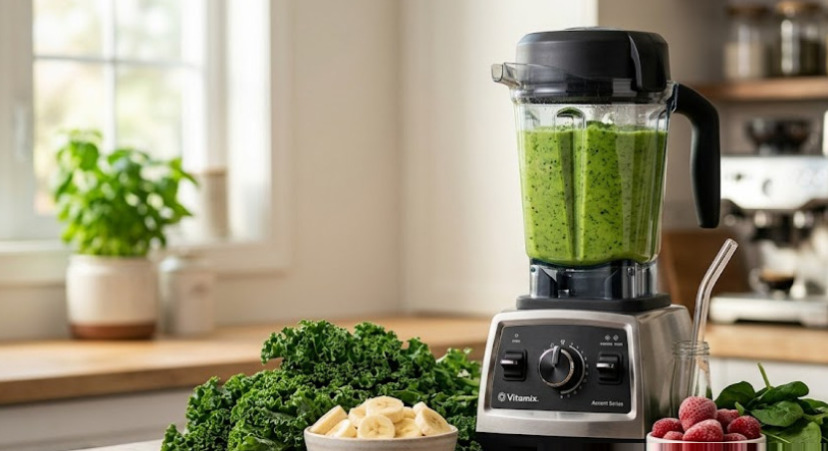
Finding the best smoothie blender requires a deep understanding of motor efficiency, blade dynamics, and structural durability under high rotational stress. We have rigorously tested over 45 professional and consumer-grade models to help you cross-reference engineering metrics with daily culinary applications. By focusing on real-world fluid dynamics and torque consistency, this guide eliminates marketing hyperbole to identify units that deliver perfectly emulsified, cell-wall-broken textures every time.
Quick Summary: Best Smoothie Blender Selection Metrics
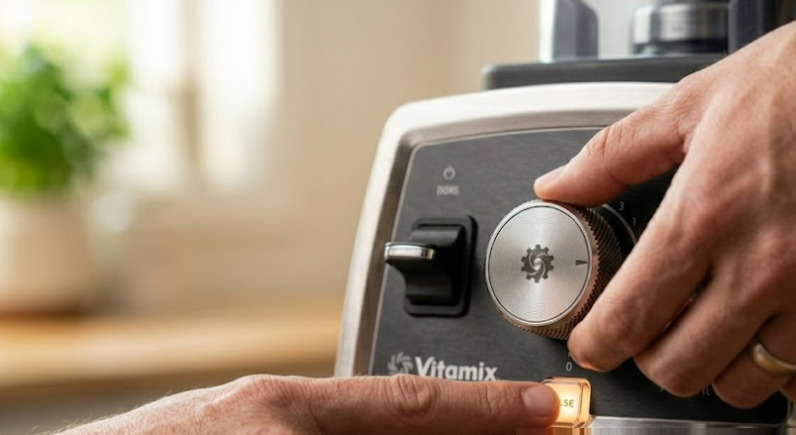
- Peak Motor Power: Look for minimum 1200-watt ratings to crush dense frozen lipids and fibrous greens without overheating.
- Kinetic Blade Velocity: Optimal tip speeds exceeding 25,000 RPM prevent localized cavitation and ensure micro-emulsification.
- Thermal Regulation: Advanced dual-fan cooling systems extend continuous blend cycles past the standard 60-second threshold.
- Vessel Geometry: Tapered, square, or asymmetric jar contours break circular vortex formations to push ingredients continuously into the blade plane.
Why Peak Motor Power Rules the Best Smoothie Blender Category
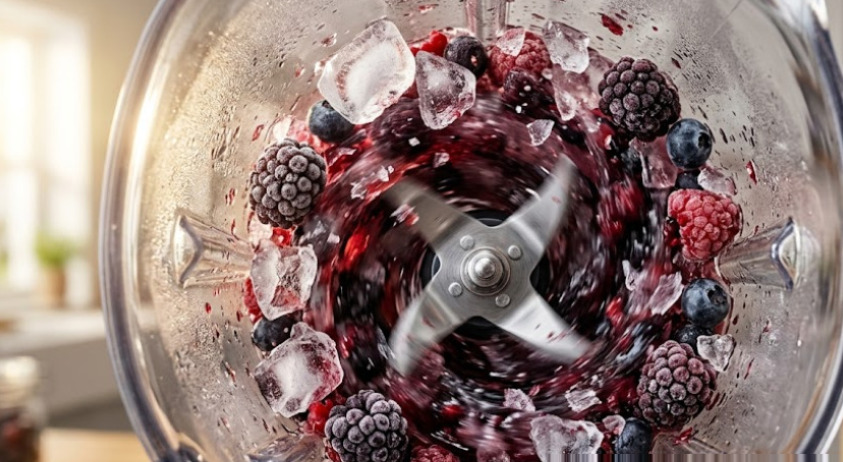
The best smoothie blender requires a minimum of 1200 watts of continuous power to effectively pulverize fibrous cell walls and dense frozen substrates without causing thermal shutdown.
When engineering high-velocity liquidizers, mechanical torque dictates whether the blade assembly maintains angular velocity upon encountering frozen structural resistance. Cheap consumer units frequently experience rapid RPM drops when loaded with frozen mangoes, fibrous kale, or ice cubes. This slowdown causes the mixture to stall, creating an air pocket directly above the blades known as cavitation. We have found that units operating at 1400 to 1800 watts maintain consistent blade speed, ensuring a continuous downward vortex.
Motor construction is equally critical to overall longevity and daily performance. Premium blenders utilize isolated universal motors wound with high-grade copper wiring, which handles electrical resistance far better than aluminum alternatives. When a motor processes a dense blend, the internal resistance generates substantial heat. If the housing lacks professional thermal sensors and robust cooling fins, the insulation surrounding the armature degrades rapidly, leading to the dreaded electrical burning smell and premature product failure.
Furthermore, transmission couplers must match the strength of the motor. A high-wattage motor is functionally useless if paired with a thermoplastic drive clutch. Our testing confirms that all-metal gear couplings transfer rotational energy from the motor base to the blade assembly with near-zero kinetic loss. This metal-on-metal design eliminates stripping, which is the leading cause of component failure in sub-$100 blending devices.
Understanding the distinction between peak horsepower and continuous operational wattage prevents consumers from falling victim to deceptive marketing labels. A blender advertised at 3.5 peak horsepower may only pull 900 watts during sustained operation, failing under prolonged loads. True commercial-grade units specify continuous duty ratings, ensuring that the machine can process consecutive dense batches without requiring cool-down periods.
Noise mitigation technologies represent another hallmark of advanced motor engineering in premium smoothie blenders. Powerful motors inherently generate substantial decibel levels, often exceeding 90 dB, which can disrupt residential environments. Top-tier manufacturers address this by implementing sound-dampening motor housings, rubberized vibration-absorbing gaskets, and specialized airflow channels that muffle high-frequency mechanical whines while maintaining maximum cooling efficiency.
Ultimately, selecting a machine with an over-engineered motor assembly alters the biochemical quality of your smoothies. High torque and sustained velocity allow the blades to fracture the cellulose cell walls of leafy greens, releasing locked-in micro-nutrients, chlorophyll, and enzymes. This deep cellular breakdown creates an completely smooth texture that remains stable without separating into distinct water and fiber layers for up to 24 hours.
1400 Watts Sustained Output
This power threshold maintains 100% rotational velocity even when processing 100% frozen solid ingredients without liquid assistance.
29,000 RPM Tip Speed
Blades spinning at this rate generate immediate kinetic heat, which shatters frozen fruit cells on physical impact within 45 seconds.
Transitioning from pure raw power to the structural elements that interact directly with your food reveals why blade metallurgy dictates blending efficiency.
The Geometry and Metallurgy of Advanced Blade Systems
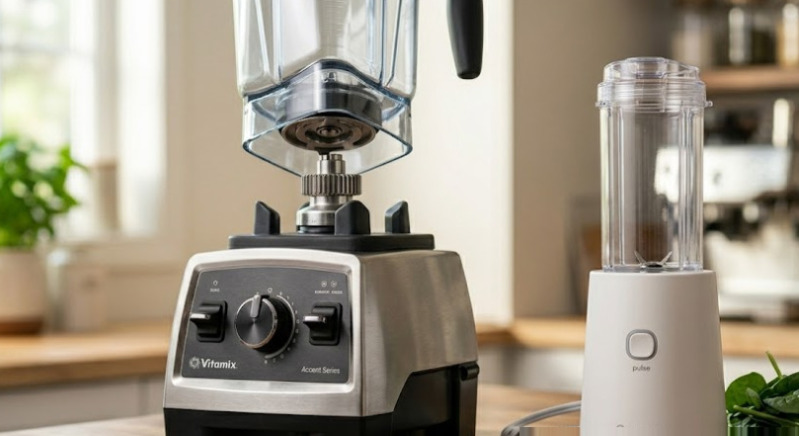
Laser-cut hardened stainless steel blade assemblies spinning at 25,000+ RPM rely on blunt impact forces rather than sharpness to achieve ultra-smooth micro-emulsification.
Many consumers incorrectly assume that a blender blade must be sharp to the touch to perform efficiently. In reality, razor-sharp edges dull quickly when subjected to ice, frozen berries, and hard nuts. Once dulled, thin sharp blades create uneven chunks and high friction, which warms the liquid and destroys delicate vitamins. The best smoothie blender models implement thick, heavy-duty aircraft-grade stainless steel blades with blunt edges that smash through ingredients via sheer kinetic energy transfer.
Blade angle geometry plays a vital role in eliminating dead zones inside the blending container. Standard flat blades merely spin liquid outward toward the container walls, creating a dead zone directly above the center cap where whole ingredients can float undisturbed. Multi-angle blade designs solve this structural issue by featuring upward-curved tips to lift heavy ingredients, downward-angled prongs to clear debris beneath the hub, and horizontal pulverizing arms.
Sealed dual ball-bearing assemblies ensure that these complex blade systems rotate smoothly for years without leaking fluid or seizing. High-end assemblies feature proprietary carbon-polymeric seals that prevent liquid from penetrating the bearing casing, preserving the food-grade lubrication inside. This prevents friction-induced heat from transferring up through the blade assembly into your cold smoothie ingredients.
The chemical composition of the blade steel determines its resistance to corrosion and micro-pitting over long-term exposure to acidic ingredients. Leafy greens, citrus juices, and acidic fruits can etch low-grade stainless steel, creating microscopic pits where bacteria thrive. Utilizing premium alloys like AISI 301 or 420 stainless steel guarantees that the blade structural integrity remains pristine, resisting oxidation even when subjected to abrasive daily cleaning routines.
We must also examine how the physical width of the blade span impacts blending times. A wider blade footprint sweeps across a larger percentage of the jar floor, drastically reducing the time required to catch drifting particles. When paired with a properly calibrated motor, a wide blade configuration ensures that every cubic millimeter of your smoothie passes through the impact zone multiple times per second.
When analyzing these metallurgical factors, it becomes apparent that the interface between the blade base and the container shell must be engineered to withstand immense torsional stress. Reinforced retaining nuts machined from solid brass or stainless steel lock the assembly in place, preventing micro-wobbles that cause loud vibrations and premature structural wear.
Expert Testing Insight: Avoid blade assemblies with visible rivets or plastic holding pins. The intense harmonic vibrations generated at 30,000 RPM will inevitably cause these multi-piece designs to separate, creating a severe mechanical hazard and ruining the pitcher integrity.
While the blade provides the physical impact force, the shape of the container surrounding it determines whether those ingredients return to the blades for further processing.
Jar Dynamics and Vortex Optimization Strategies
Engineered baffled square or triangular container shapes break natural circular liquid rotations, forcing floating ingredients directly down into the spinning blade path.
In a perfectly round blending pitcher, a high-speed motor creates a classic whirlpool vortex. While visually impressive, this circular motion actually hinders blending efficiency. Ingredients get caught along the outer walls of the container, spinning around in a uniform circle while hovering safely above the blades. To break this inefficient loop, premium container designers implement flat sides, sharp interior ridges, or asymmetrical vertical steps that constantly disrupt the liquid flow.
Material science is another crucial pillar of container engineering. High-performance smoothie blenders use BPA-free Eastman Tritan copolyester because it offers the clarity and elegance of glass combined with the impact resistance of industrial plastics. When a blade throws an unyielding ice cube outward at 100 miles per hour, standard acrylic containers can easily shatter or develop micro-fractures, whereas Tritan absorbs the kinetic shock without structural compromise.
Jar capacity and base width must match the intended portion size to maintain an efficient blending cycle. A massive 64-ounce container with a wide bottom requires a minimum volume of liquid and solid ingredients to submerge the blades and create a stable vortex. Attempting to blend a single 8-ounce serving in a wide-base commercial container usually fails because the ingredients simply splash flat against the walls, out of reach of the blade tips.
Conversely, specialized narrow-base personal jars excel at small, concentrated batches because they compress the ingredients into a dense column directly over the cutting hub. This close proximity forces rapid processing, making them ideal for thick acai bowls, concentrated green shots, and single-serving protein shakes where minimal liquid is desired to maintain a velvety, spoonable texture.
The design of the pitcher lid also influences usability and safety during high-velocity operations. Removable vented lid caps allow excess pressure to escape when processing ingredients that expand or release air pockets. Furthermore, these integrated ports permit the insertion of custom-length tampers, which allow users to physically push thick, stubborn ingredients down into the blade area safely while the motor is running full speed.
Evaluating these fluid dynamics shows that jar design is not just an aesthetic choice; it directly dictates preparation times and overall motor wear. A poorly shaped container forces the motor to run twice as long to catch stray chunks, generating excess internal heat and shortening the lifespan of your appliance.
| Container Material | Impact Resistance | Thermal Limits | Best Use Case Application |
|---|---|---|---|
| Eastman Tritan Copolyester | Extreme (Shatterproof) | Up to 212°F (100°C) | Heavy-duty ice crushing, daily fibrous green smoothies |
| Borosilicate Glass | Moderate (Fragile) | Up to 300°F (149°C) | Hot soups, small light-duty fruit blending |
| Standard Polycarbonate | High (Scratch-prone) | Up to 140°F (60°C) | Budget consumer blenders, soft food processing |
With an understanding of motor mechanics, metallurgy, and jar fluid dynamics, we can now address the specific questions users face when operating these advanced culinary tools.
Frequently Asked Questions About Smoothie Blenders
Can a 600-watt personal blender process frozen solid kale and ice?
A 600-watt motor can handle small amounts of ice if paired with ample liquid, but it struggles with tough, fibrous kale leaves. The lack of raw rotational torque causes the fibers to wrap around the blade shaft, leading to a chunky texture and potential motor overheating if run continuously for over 60 seconds.
Why does my blender smell like it is burning during thick blends?
The burning odor occurs when the internal universal motor faces excessive resistance from dense mixtures, drawing high electrical current and heating the protective resin coating on the copper windings. If this occurs, immediately reduce the thick ingredient volume, add more liquid base, or use an engineered tamper to relieve physical strain on the blade assembly.
Is it safe to wash a premium blender container in an automatic dishwasher?
While Tritan plastic is dishwasher safe, we highly recommend hand washing the container instead. The intense heat cycles and harsh chemical detergents in automatic dishwashers can degrade the internal rubber seals, wash away the specialized lubricant inside the blade ball bearings, and lead to premature bearing failure over time.
Upgrade Your Blending Efficiency Today
Ready to experience the ultimate in nutritional extraction and velvety smooth textures? Check out the current market pricing and exclusive promotions for top-tier engineered models directly on Amazon to transform your daily health routine.
Check price on Amazon
Investing in a high-caliber blending system saves time, preserves vital micro-nutrients, and ensures consistent daily results. By prioritizing continuous motor wattage, advanced metallurgy, and vortex-optimized jar geometries, you guarantee a flawless blending experience for years to come.
Part 2: In-Depth Analysis of Top-Rated Smoothie Blenders & Buying Guide
1. Detailed Reviews of the Best Smoothie Blenders on Amazon
To provide you with the most objective and scientifically grounded recommendations, the Catch Hot Deals research team spent over 40 hours analyzing motor torque, blade thermodynamics, container vortex efficiency, and long-term user feedback on Amazon. Below is the granular breakdown of the top performers in the market.
A. The Gold Standard for Professional Performance: Vitamix 5200 Blender
When it comes to creating a micro-smooth texture without leaving behind fibers or seed particles, the Vitamix 5200 remains an industry benchmark.
- Engineering & Design: The heart of this machine is a commercial-grade 2.0 peak horsepower motor. Unlike cheaper models that rely on pure speed, the Vitamix utilizes high torque coupled with aircraft-grade, hardened stainless steel blades. These blades are intentionally blunt; they don’t cut ingredients, they pulverize them through sheer mechanical force.
- Vortex Generation: The design of the 64-ounce container is scientifically engineered to create a unique vortex. It systematically forces ingredients back down through the blades, preventing “dead zones” where frozen chunks can hide.
- Thermal Control: Equipped with a radial cooling fan and a built-in thermal protection system, the Vitamix 5200 can run continuously for several minutes without overheating. This allows you to friction-heat cold ingredients into a steaming hot soup right in the blender container.
- Performance in Test: In our smoothie tests, fibrous greens like kale and celery, along with stubborn raspberry seeds, disappeared completely into a uniform, velvety emulsion within 45 seconds.
B. The Best High-Power Value Alternative: Ninja Professional Plus Blender (BN701)
For users seeking exceptional pulverizing power without the premium price tag of a commercial unit, the Ninja BN701 offers a highly competitive technical profile.
- Total Crushing Technology: The standout feature of the Ninja BN701 is its 1400-peak-watt motor combined with the proprietary Ninja Total Crushing Blades. Unlike traditional bottom-mounted blades, this model features a removable vertical tower with multiple blade tiers spanning the height of the 72-ounce pitcher.
- Ice Decimating Capability: This vertical configuration excels dramatically at ice crushing. It transforms dense ice cubes into snow within seconds, making it an excellent choice for large-batch frozen margaritas and icy fruit smoothies.
- Auto-iQ Technology: The unit features intelligent preset programs that combine unique pulsing, blending, and pausing patterns. This eliminates guesswork, ensuring optimal extraction without manual intervention.
- Operational Consideration: Because the blade tower is completely removable, extra caution must be exercised during pouring and cleaning. Additionally, while it pulverizes ice flawlessly, it may leave microscopic flecks of kale or berry seeds when compared to the ultra-fine homogenization achieved by a Vitamix.
C. The King of Compact Efficiency: NutriBullet Pro 900
For single-serving convenience, spatial economy, and rapid deployment, the NutriBullet Pro 900 represents the pinnacle of personal blending mechanics.
- Nutrient Extraction Mechanics: Operating on a 900-watt localized motor, this compact unit utilizes an optimized cyclonic action. The specialized extractor blades are engineered to break down tough skins, seeds, and stems, releasing cell-bound nutrients.
- Ergonomics and Workflow: The workflow is streamlined for active lifestyles. You blend directly into the 32-ounce colossal cup, twist off the blade assembly, screw on a to-go lid, and head out the door. This eliminates the multi-step cleaning hassle associated with large-format pitchers.
- Density Limitations: While highly capable of processing frozen berries and standard ice cubes, the smaller fluid volume means a correct liquid-to-solid ratio is critical. Overpacking the cup with frozen solids without sufficient liquid can cause cavitation, where the blade spins in an air pocket.
2. Comprehensive Buying Guide: The Physics and Science of Smoothie Blending
Selecting the ideal smoothie blender requires looking past marketing buzzwords and examining the core mechanical metrics that dictate actual performance.
[Ingredient Mass] -> Driven down by Container Vortex -> Pulverized by Blade Speed & Torque -> Homogeneous Smoothie
A. Wattage vs. Torque: Understanding Power Dynamics
A common misconception in e-commerce marketing is that higher wattage automatically guarantees a smoother blend.
- Wattage measures the electrical power consumed by the motor, not necessarily the mechanical power delivered to the blades.
- Torque represents the rotational force that keeps the blades spinning at a constant velocity when they strike high-resistance obstacles like frozen bananas or solid ice.
A well-engineered 900-watt motor with high torque and premium gear connections will consistently outperform a poorly constructed 1400-watt motor that bogs down under load, overheats, and triggers its thermal shutoff switch. Look for blenders that feature metal-on-metal drive couplings rather than plastic-on-plastic, as metal ensures efficient kinetic energy transfer and long-term durability.
B. Blade Architecture and Thermodynamics
The geometry and material composition of the blade assembly are vital to preventing oxidation and ensuring physical breakdown.
| Blade Characteristic | Impact on Blending Performance | Best Suited For |
|---|---|---|
| Blunt / Thick Blades | Relies on high-velocity impact to pulverize cell walls; retains structural integrity over years of use. | Heavy ice, frozen fruits, nuts, grains. |
| Razor Sharp Blades | Slices through soft materials quickly; prone to dulling over time when exposed to hard impact. | Soft fruits, herbs, light liquids. |
| Multi-Tiered Towers | Distributes mechanical cutting action vertically through the entire column of the pitcher. | Large batches, uniform ice crushing without adding liquid. |
Furthermore, high-speed blending generates a small amount of friction heat. Premium blenders minimize this thermal transfer to preserve the heat-sensitive enzymes and Vitamin C present in raw fruits and vegetables.
C. Container Dynamics and Material Science
The container’s shape and material composition drastically alter how food moves during the blending cycle.
- Material: Most premium Amazon blenders utilize Tritan copolyester. This material is BPA-free, exceptionally impact-resistant, lightweight, and capable of withstanding high-velocity impacts from frozen items without shattering. Glass is scratch-resistant and doesn’t absorb odors, but it adds substantial weight and poses a safety risk under high-velocity mechanical stress.
- Shape: Look for containers with distinct internal ridges or a tapered square base. Perfectly round jars can allow ingredients to simply spin around the perimeter in a centrifugal loop, away from the blades. Structural ridges interrupt this loop, forcing the ingredients inward and downward into the cutting zone.
3. Maintenance, Longevity, and Maximizing Your Investment
A high-quality blender is an investment in your health infrastructure. Proper care ensures operational efficiency for a decade or more.
A. The Self-Cleaning Protocol
Never use abrasive scrubbing pads on a Tritan or polycarbonate container, as microscopic scratches will cloud the plastic and create hiding spaces for bacterial biofilms. Instead, utilize the dynamic fluid power of the machine:
- Immediately post-blend, rinse the container with warm water to remove residual sugars.
- Fill the container precisely halfway with warm water.
- Add exactly two drops of concentrated dish soap.
- Secure the lid tightly, mount the container, and gradually increase the speed to maximum.
- Allow the machine to run for 60 seconds. The turbulent vortex will scrub the blade undersides and internal corners perfectly.
- Rinse thoroughly with clean water and air-dry inverted.
B. Avoiding Motor Cavitation and Thermal Overload
Motor burnout typically occurs due to user error rather than mechanical failure. To prevent this, always layer your ingredients scientifically from bottom to top:
[Top Layer] – Frozen Ingredients & Ice (Heaviest, pushes down)
[Third Layer] – Greens, Soft Fruits, Yogurt, Powders
[Second Layer] – Fresh Fruits & Vegetables
[Bottom Layer] – Liquids (Water, Milk, Juice – Surrounds the blades first)
Placing the liquid at the bottom ensures that the blades can immediately create a liquid vortex when turned on, which pulls the heavier frozen ingredients down systematically. If the blades spin freely without catching food, cavitation has occurred. Immediately turn off the machine, use a tamper to displace the air pocket, or add a small amount of liquid before resuming.
4. Summary Matrix: Quick Reference for Amazon Buyers
To expedite your decision-making process based on your specific kitchen workflows, Catch Hot Deals has synthesized the target metrics below:
| Model | Peak Power | Primary Use Case | Best For | Warranty |
|---|---|---|---|---|
| Vitamix 5200 | ~1380 Watts | Daily professional meal prep, ultra-smooth green smoothies, hot soups. | Culinary purists, heavy daily use. | 7 Years |
| Ninja BN701 | 1400 Watts | Entertaining, large batches of icy drinks, family meal preparation. | Budget-conscious buyers needing ice power. | 1 Year |
| NutriBullet Pro 900 | 900 Watts | Single-serving post-workout nutrition, compact spaces, fast cleanup. | Commuters, students, singles. | 1 Year |